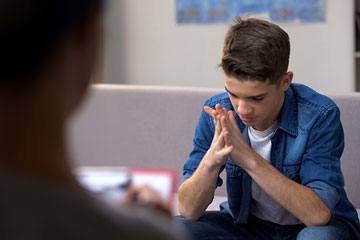
Tất cả chúng ta đều biết và đã nghe nói về bắt nạt trực tuyến, và chúng ta biết rằng đây là một mối đe dọa đối với con cái chúng ta trên mạng. Tuy nhiên, với tư cách là cha mẹ, chúng ta thường không nghĩ đến mặt trái của vấn đề này – liệu con mình có thể là kẻ bắt nạt trực tuyến không?
We have spoken to children across Ireland about their behaviours online. When we ask a classroom “who here has done something online that your later regretted?”, the shocking truth is that multiple hands go up in the air. We speak to children about how this makes them feel; stressed, anxious and upset are the most common answers. Children can easily fall into the vicious circle of cyberbullying accidentally. If this happens to your child, they need support to get out.
At Chatbudi we have created three cyberbully character’s to help children and parents alike understand that cyberbullying comes in many shapes and forms. They three most common we come across are: Accidental, Angry and Real.

Hành vi bắt nạt mạng vô ý và giận dữ rất dễ xảy ra ở trẻ em. Chúng tham gia bắt nạt mạng mà không thực sự nhận thức được hậu quả từ hành động của mình. Điều quan trọng là cha mẹ phải giáo dục con cái suy nghĩ kỹ trước khi đăng bài, để chúng không vô tình làm tổn thương cảm xúc của người khác trên mạng, hoặc hành động bốc đồng trong lúc nóng giận. Chúng tôi áp dụng quy tắc áo phông tại Chatbudi. Nếu bạn không in thứ gì đó lên áo phông để tất cả bạn bè và gia đình cùng xem, và nếu bạn không muốn mặc nó đi khắp thị trấn cho người lạ đọc – thì đừng đăng nó lên mạng.
The most harmful type of cyberbully is the ‘real cyberbully’. This is the cyberbully that engages with antisocial behaviour online out of boredom, malice or entertainment. This is the most damaging form of bullying and the least detectable. An example we have seen of this is a child setting up a false persona online of a child in their class and using it to chat to other children spreading rumours and posting embarrassing content.
Victims of the real cyberbully are extremely isolated and unlike traditional school yard bullying this vicious behaviour can follow them everywhere, and target them anytime on their smartphone or mobile device.
As parents, we must speak to our children about the feelings and emotions they have in their online world to protect them from becoming a victim of real cyberbullying. We must also prevent them from falling into the trap of accidental or angry cyberbullying.
We encourage children to use the
‘Stop, Block, Tell’ rule when they see cyberbullying online.

This ensures that the child does not engage in the bullying and that they tell a parent or adult they trust.
Chapter 3 of our e-book discusses cyberbullying in more depth and also answers frequently asked questions by parents on this issue. You can download it
here today.



 Hành vi bắt nạt mạng vô ý và giận dữ rất dễ xảy ra ở trẻ em. Chúng tham gia bắt nạt mạng mà không thực sự nhận thức được hậu quả từ hành động của mình. Điều quan trọng là cha mẹ phải giáo dục con cái suy nghĩ kỹ trước khi đăng bài, để chúng không vô tình làm tổn thương cảm xúc của người khác trên mạng, hoặc hành động bốc đồng trong lúc nóng giận. Chúng tôi áp dụng quy tắc áo phông tại Chatbudi. Nếu bạn không in thứ gì đó lên áo phông để tất cả bạn bè và gia đình cùng xem, và nếu bạn không muốn mặc nó đi khắp thị trấn cho người lạ đọc – thì đừng đăng nó lên mạng.
 The most harmful type of cyberbully is the ‘real cyberbully’. This is the cyberbully that engages with antisocial behaviour online out of boredom, malice or entertainment. This is the most damaging form of bullying and the least detectable. An example we have seen of this is a child setting up a false persona online of a child in their class and using it to chat to other children spreading rumours and posting embarrassing content.
Victims of the real cyberbully are extremely isolated and unlike traditional school yard bullying this vicious behaviour can follow them everywhere, and target them anytime on their smartphone or mobile device.
As parents, we must speak to our children about the feelings and emotions they have in their online world to protect them from becoming a victim of real cyberbullying. We must also prevent them from falling into the trap of accidental or angry cyberbullying.
We encourage children to use the ‘Stop, Block, Tell’ rule when they see cyberbullying online.
The most harmful type of cyberbully is the ‘real cyberbully’. This is the cyberbully that engages with antisocial behaviour online out of boredom, malice or entertainment. This is the most damaging form of bullying and the least detectable. An example we have seen of this is a child setting up a false persona online of a child in their class and using it to chat to other children spreading rumours and posting embarrassing content.
Victims of the real cyberbully are extremely isolated and unlike traditional school yard bullying this vicious behaviour can follow them everywhere, and target them anytime on their smartphone or mobile device.
As parents, we must speak to our children about the feelings and emotions they have in their online world to protect them from becoming a victim of real cyberbullying. We must also prevent them from falling into the trap of accidental or angry cyberbullying.
We encourage children to use the ‘Stop, Block, Tell’ rule when they see cyberbullying online.
 This ensures that the child does not engage in the bullying and that they tell a parent or adult they trust.
Chapter 3 of our e-book discusses cyberbullying in more depth and also answers frequently asked questions by parents on this issue. You can download it here today.
This ensures that the child does not engage in the bullying and that they tell a parent or adult they trust.
Chapter 3 of our e-book discusses cyberbullying in more depth and also answers frequently asked questions by parents on this issue. You can download it here today.
Chưa có bình luận nào