


A report by Voice Community recently shared insights gathered from a pool of 600 teachers, teaching assistants, headteachers and early years practitioners. According to the report, “Mental health was the single biggest concern voiced by our members … It was clear that the impact of coronavirus would be felt for a long time and that children would need to develop social skills and that the curriculum needed to support this.”
The mental health of young people is always a primary concern for teachers, parents and everyone involved in the education system. In particular the transition from primary into secondary school puts enormous stress on students and teachers alike. Even under normal circumstances this is a stressful time of year, as we send our primary students off for the summer and hope we have equipped them with everything they need to adapt to life in secondary school as seamlessly and as stress free as possible.
This in itself is a daunting task. Let us, just for a second, forget the craziness of the last year and consider the transition period between primary and secondary schools and the impact it has on young people. The transition from primary to secondary is so much more than a jump up in academic studies. Our young people go from smaller more intimate learning settings to huge, new institutions with a different dynamic, different expectations, and different learning environments. That is a huge life change! Now let’s put Covid back into the mix and we start to realise just how stressful this transition is for students this year. Students had such a disrupted routine last year, with more days out of the classroom than in. They did not get the chance to develop the vital transversal skills needed to move from primary to secondary schools. We are seeing a lot of talk and support around getting students up to speed academically, but very little to help students with their social development.
While many secondary schools will have a transition programme in place to introduce new students to the schools, and give them a sense of what is expected of them, this year you may need to review your transition programme and make sure that is it supporting the mental health and wellbeing of your incoming students. Is it adequately explaining the different culture they will experience in secondary school compared to primary school? Does it help to develop the skills needed to speak up when they don’t understand or admit when they don’t know something? Admitting you don’t know something can be scary. These pupils are dealing with new teachers and new peers, both of which are unfamiliar.
Secondary school is a time for evolution, and that means learning how to communicate effectively and deal with uncertain situations. The world is an uncertain place but for many students, up until this point, they have not experienced it as parents have taken on the burden of dealing with uncertain and uncomfortable situations. The transition between primary and secondary school is exactly that and we need to make sure we are providing students with the skills to handle it as well as the emotional support to learn and grow and adapt to the culture of secondary school.
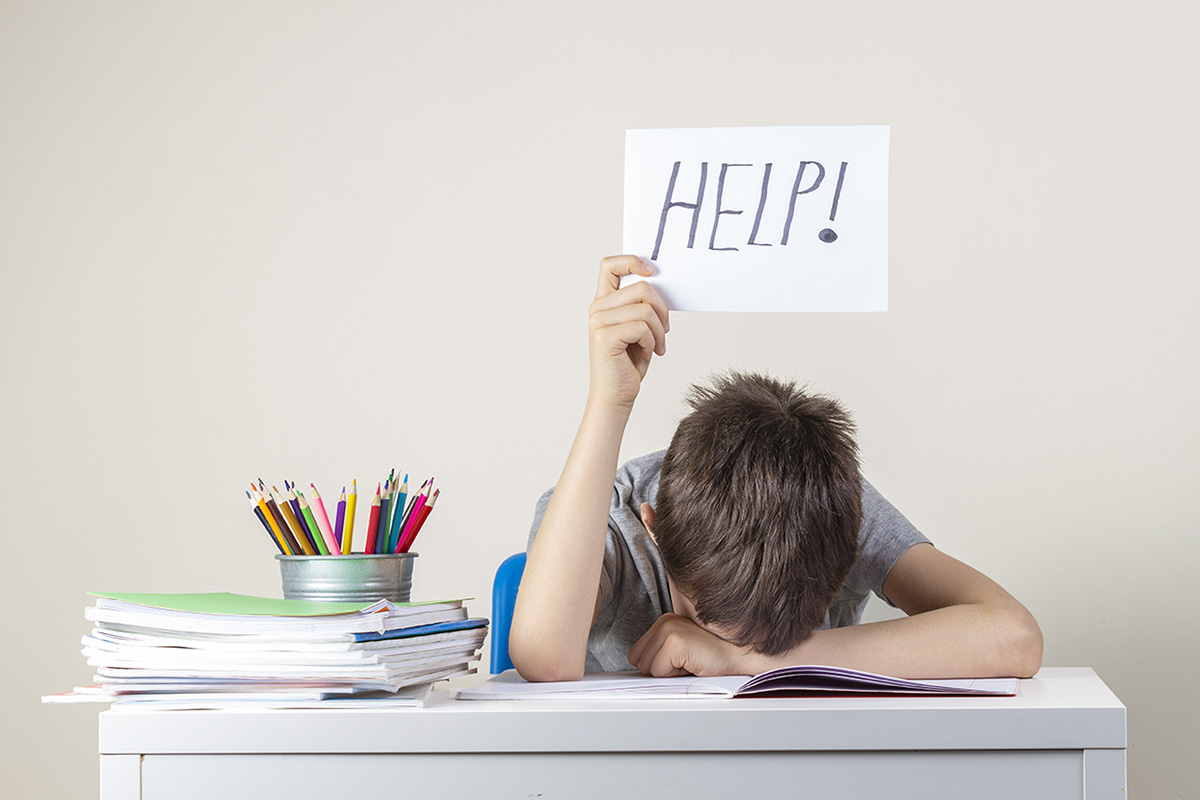
Bạn nên cân nhắc điều gì khi xem xét lại giai đoạn chuyển tiếp của mình?
- Chương trình có hỗ trợ toàn diện cho học sinh mới của bạn không? Không thể phủ nhận những yếu tố hậu cần cơ bản cần thiết trong một chương trình chuyển tiếp. Học sinh cần biết phòng học ở đâu, căng tin ở đâu, v.v. Nhưng một chương trình chuyển tiếp cần làm được nhiều hơn thế. Nó nên hỗ trợ sức khỏe tinh thần và hạnh phúc của trẻ trong giai đoạn thay đổi lớn này. Chương trình chuyển tiếp của bạn có yếu tố nào liên quan đến sức khỏe tinh thần không?
- Chương trình có trang bị đầy đủ cho học sinh mới của bạn về văn hóa của trường không? Một chương trình chuyển tiếp toàn diện nên đặt ra những kỳ vọng cho học sinh về thái độ, việc học và trách nhiệm cá nhân trong suốt thời gian các em học tại trường của bạn.
- Có mô-đun làm việc nhóm nào trong chương trình không? Học sinh có được dạy cách làm việc với những người các em không quen biết không? Các em có được dạy cách hợp tác, lắng nghe, đồng thời phát biểu và bày tỏ ý kiến một cách rõ ràng, súc tích và chu đáo không? Kết bạn và làm quen với các học sinh khác trong lớp là một phần quan trọng trong quá trình chuyển tiếp từ trường tiểu học lên trung học. Việc đưa các yếu tố làm việc nhóm và hoạt động phá băng vào sẽ giúp học sinh làm việc hợp tác và hòa nhập vào cuộc sống ở trường dễ dàng hơn.
- Chương trình có giúp học sinh của bạn phát triển các kỹ năng cần thiết để thích nghi với trường trung học không? Tư duy phản biện, kỹ năng thuyết trình và hùng biện, làm việc nhóm, hợp tác và nhiều kỹ năng khác được kỳ vọng ở trường trung học. Việc phát triển các kỹ năng này trong giai đoạn chuyển tiếp có thể giúp tạo ra một sự chuyển đổi suôn sẻ vào cuộc sống trung học.
That’s a lot of detail. So, instead of reworking your transition programme yourself, look for programmes that can help. Zeeko’s Thủ lĩnh phép thuật programme is a peer led programme that helps students develop 21st century and transversal skills. The programme is fully developed, with detailed lesson plans and instruction manuals included. Take the stress of developing a new transition programme out of the equation with Thủ lĩnh phép thuật. Book a free demo with the Zeeko team today.
The transition period between primary and secondary school is a big deal. Your transition programme should aim to not only explain the everyday facts about secondary school but should also support the nurturing and development of skills to help pupil’s adapt to the new and very different culture. Take some time to look at your transition programme before next term. Is it the best it can be for your incoming pupils?
Bạn muốn thêm bài viết, mẹo và tài nguyên miễn phí?
Đăng ký nhận Bản tin dành cho giáo viên của zeeko ngay hôm nay để nhận tất cả những thông tin này và nhiều hơn nữa trực tiếp vào hộp thư đến của bạn!