

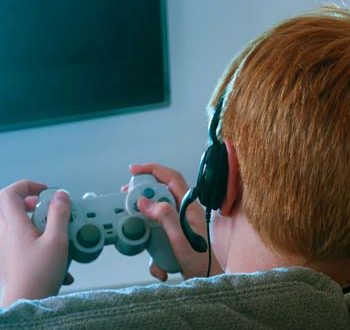

Tất cả chúng ta đang thích nghi với một kiểu bình thường mới khi Ireland tiếp tục làm mọi thứ có thể để đối phó với đại dịch Covid-19. Có khả năng con bạn muốn dành nhiều thời gian hơn bình thường để chơi game trực tuyến vào thời điểm hiện tại và đặc biệt là trong kỳ nghỉ lễ Phục sinh. Bài viết trên blog của chúng tôi tuần này sẽ xem xét xếp hạng độ tuổi của các trò chơi và đưa ra lời khuyên về cách giữ an toàn cho con bạn nếu chúng dành thời gian chơi game.
Xếp hạng độ tuổi được đưa ra để đảm bảo rằng nội dung giải trí phù hợp với độ tuổi của người sẽ sử dụng sản phẩm. Xếp hạng độ tuổi là độ tuổi tối thiểu mà nội dung đó phù hợp. Xếp hạng độ tuổi nhằm mục đích cung cấp hướng dẫn cho những người mua, ví dụ như một trò chơi.
Từ năm 2012, PEGI là hệ thống duy nhất được sử dụng ở Châu Âu cho các trò chơi console và PC mới. Hàng ngàn trò chơi đã được xếp hạng PEGI kể từ khi hệ thống này được giới thiệu vào đầu năm 2003. Điều quan trọng cần lưu ý là ở Châu Âu, các xếp hạng PEGI 12, 16 và 18 có hiệu lực pháp lý, nghĩa là chúng không thể được cung cấp cho những người dưới độ tuổi tương ứng. Tuy nhiên, điều này chỉ áp dụng cho nhà bán lẻ. Nó không ngăn cản người lớn mua những trò chơi như vậy cho trẻ em. Những trò chơi được xếp hạng như vậy có vẻ vô hại trên bề mặt, 'chỉ là một trò chơi', nhưng đừng bị đánh lừa bởi những ấn tượng ban đầu. Nhiều trò chơi có vẻ lành tính, nhưng chúng có thể chứa đựng những khoảnh khắc bạo lực mạnh mẽ, đẫm máu, kinh dị, sử dụng ma túy bất hợp pháp và thậm chí là bạo lực tình dục vào một số thời điểm.
Về cơ bản, xếp hạng PEGI trên một trò chơi xác nhận rằng trò chơi đó chứa nội dung phù hợp với một nhóm tuổi nhất định trở lên. Ví dụ, một trò chơi được xếp hạng 8 tuổi phù hợp với tất cả những người từ 8 tuổi trở lên, trong khi một trò chơi được xếp hạng 18 tuổi chỉ phù hợp với người lớn, bởi vì rất có thể có nội dung trong trò chơi có thể gây hại, đáng sợ hoặc đáng lo ngại cho trẻ em đang phát triển. Bên cạnh xếp hạng độ tuổi, còn có các biểu tượng để giải thích lý do xếp hạng đó được đưa ra. Khi mua trò chơi cho bất kỳ ai dưới 18 tuổi, hãy luôn xem xếp hạng độ tuổi để kiểm tra xem nó có phù hợp với người dùng cuối dự kiến hay không. Trò chơi dành cho người lớn chứa nội dung chỉ dành cho người lớn, vì vậy bạn nên coi chúng giống như bất kỳ phương tiện truyền thông nào khác được xếp hạng 18 tuổi như một bộ phim.
It’s really important to keep a watchful eye on the age ratings of the games that your child is playing. This can be a contentious issue in some houses as peer pressure can play a part in kids wanting to play a game that their friends are playing. Game Age Ratings, talk to your child about the importance of having a balance when it comes to gaming and set limits on the amount of time that they spend in front of a screen. It’s always a good idea to do your own research on a game that your child has mentioned to you. If you feel the content is not age appropriate, then talk with your child about your concerns. Having an open communication style will certainly be an advantage when it comes to discussing gaming and setting boundaries around it in your home.
As we always say when it comes to safety settings on digital devices, they are a great first step, but they are not a substitute for communicating with your child about the importance of staying safe online. The very same thing can be said about age ratings on games. Game Age Ratings, while an age rating is a guide it is no substitute for the input and view of an adult into the content their child is being exposed to via gaming. Follow on Facebook: Zeeko Education!
Frequently Asked Questions (FAQs)
What are age ratings for games?
Age ratings for games indicate the minimum age a player should be to safely play a game. They are designed to help parents and guardians understand whether a game’s content is appropriate for a child’s age.
What age rating system is used in Ireland and Europe?
In Ireland and across Europe, the PEGI (Pan European Game Information) system is used. PEGI has been rating console and PC games since 2003 and became the sole rating system in Europe in 2012.
Are age ratings for games legally enforceable?
Yes. PEGI ratings of 12, 16, and 18 are legally enforceable for retailers, meaning shops cannot sell these games to children under the specified age. However, adults can still legally purchase these games for children.
What kind of content can affect age ratings for games?
Age ratings are influenced by content such as violence, gore, fear, illegal drug use, strong language, sexual content, or sexual violence. Even games that appear harmless may contain scenes that are unsuitable for younger players.
What do the symbols next to game age ratings mean?
The symbols, or pictograms, explain why a game received a certain rating. They highlight specific content such as violence, fear, bad language, gambling, or online interaction.
Does an age rating guarantee a game is safe for my child?
No. Age ratings for games are a guide, not a guarantee. Parents should still research the game, understand its themes, and consider whether it suits their child’s maturity and sensitivity levels.
Why do children want to play games above their age rating?
Peer pressure often plays a role, as children may want to play the same games as their friends. This is why open conversations about age ratings for games and setting clear boundaries are important.
How can parents manage disagreements about age ratings?
Talk openly with your child about why age ratings exist and what content may be harmful. Explaining concerns calmly and listening to your child’s point of view can help avoid conflict and build trust.
Should parents limit gaming time as well as content?
Yes. Along with checking age ratings for games, it’s important to encourage balance by setting limits on screen time and promoting offline activities such as exercise, hobbies, and family time.
Are parental controls enough to protect children while gaming?
Parental controls are helpful, but they are not a substitute for communication. Regular conversations about online safety, content, and behaviour are essential alongside technical controls.
How can parents research a game before buying it?
Parents can check the PEGI website, read reviews, watch gameplay videos, and look up parental guides to better understand a game’s content before allowing their child to play.
Explore Zeeko’s Home Page to discover our mission on the Về Us Page, innovative Phone Blocking System, and engaging Phoenix Quest 10 programme. We provide Hội thảo An toàn Internet, the Zeeko Report Card, and the Thủ lĩnh phép thuật Choose Country initiative, alongside insights from our Báo cáo xu hướng kỹ thuật số. Stay connected with us on Facebook and Instagram for updates.