

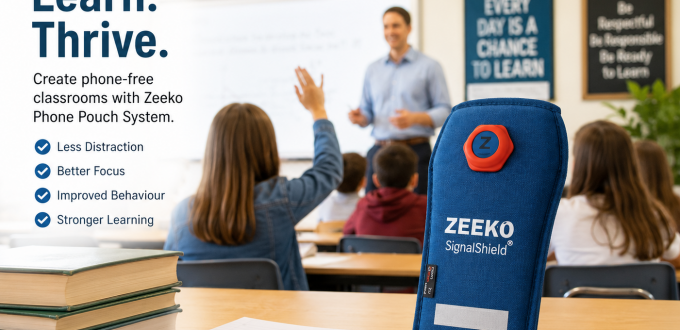

How Phone-Free Classrooms Improve Learning?
When schools successfully reduce unnecessary mobile phone use, the benefits extend far beyond fewer interruptions. A well-managed phone-free classroom creates an environment where students can focus, participate, and build stronger relationships with both their teachers and classmates.
Many educators initially worry that limiting phone access will lead to resistance. In reality, schools that introduce clear expectations and explain the reasons behind them often find the opposite. Once students adjust to the routine, classrooms become calmer, lessons run more smoothly, and teachers spend less time addressing distractions when you buy mobile phone pouches for your schools.
One of the biggest improvements is in student concentration. Without the constant temptation of checking notifications or replying to messages, students can stay engaged with a task for longer periods. This deeper focus helps them understand new concepts more effectively and retain information for longer. Instead of switching their attention between a lesson and their phone every few minutes, they are able to give their full attention to learning.
Teachers also notice higher levels of participation. Students are more likely to contribute to discussions, ask questions, and collaborate with classmates when they are fully present. Group activities become more productive, classroom conversations are richer, and even quieter students often feel more confident joining in.
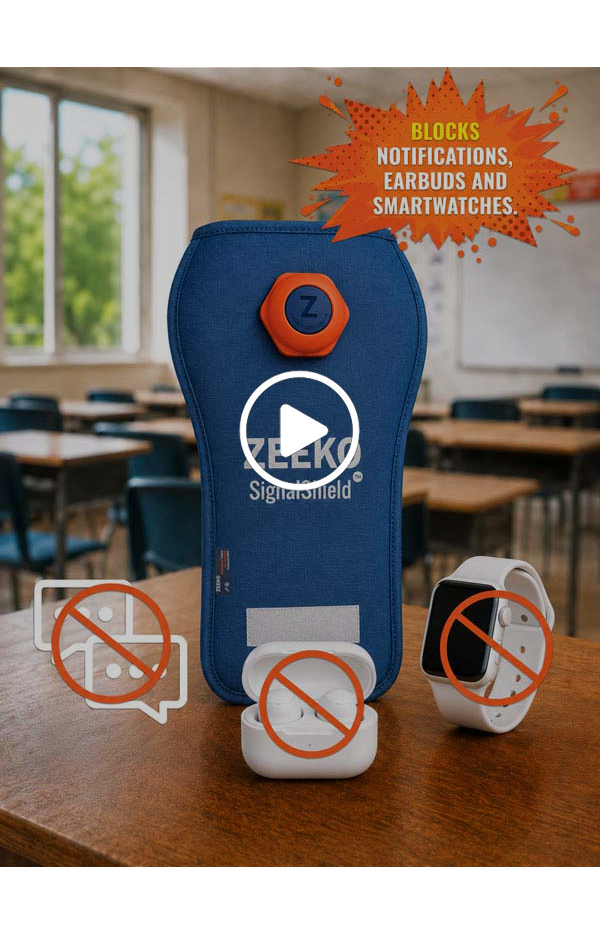
Another important benefit is improved classroom behaviour. Much of the low-level disruption in schools today is linked to personal devices, whether it's messaging friends, scrolling through social media, or watching short videos during lessons. Reducing access to phones naturally reduces these interruptions, allowing teachers to focus on teaching instead of constantly reminding students to put their devices away.
Perhaps the most valuable outcome is the improvement in teacher-student relationships. When teachers are no longer acting as "phone police," they have more time to support learning, provide feedback, and build positive relationships with students. This creates a more respectful and collaborative classroom culture where everyone can focus on achieving their best.
Finally, limiting unnecessary phone use encourages healthier digital habits. Students begin to realise that they don't need to respond to every notification immediately. Over time, they develop greater self-control and learn that there is an appropriate time and place for technology. These are valuable life skills that will continue to benefit them long after they leave school.
The Role of Digital Wellbeing in Reducing Phone Use
If schools want lasting change, reducing phone use cannot rely on rules alone. Students also need to understand how technology affects their learning, wellbeing, and relationships. This is where digital wellbeing plays an essential role.
Digital wellbeing teaches young people to use technology in a balanced and responsible way. Rather than telling students that phones are "bad," it encourages them to think critically about how, when, and why they use digital devices.
For example, many students don't realise how much constant notifications interrupt their concentration or how late-night screen time affects their sleep. Helping them understand these connections makes them more willing to change their own behaviour.
Schools can introduce digital wellbeing through PSHE lessons, assemblies, digital citizenship programmes, or wellbeing initiatives. Topics might include managing screen time, reducing social media pressure, recognising online risks, maintaining healthy sleep habits, and building positive online relationships.
Digital wellbeing also supports online safety. Students learn about protecting their privacy, preventing cyberbullying, recognising misinformation, and developing respectful online communication. These lessons prepare them not only for success in school but also for life in an increasingly connected world.
The long-term goal is simple: help students become responsible digital citizens who know when technology supports learning and when it becomes a distraction.
Phone-free. Signal free. Teacher-friendly
The patent-pending Zeeko SignalShield™ Pouch is a secure phone pouch for schools that makes phone-free policies easier to enforce. It helps manage mobile phones in schools by locking devices away, blocking signals and keeping them inaccessible until unlocked. More than telephone pouches, Zeeko is a school phone management system, phone signal blocker and student phone control system for Convenient Compliance™.
How Schools Around the World Are Managing Mobile Phones?
Schools across the globe are facing the same challenge, and while their approaches differ, they all share one common goal: creating learning environments where students can concentrate without constant digital interruptions.
In Ireland, many schools have strengthened their mobile phone policies as part of broader student wellbeing initiatives. Rather than focusing only on discipline, schools are increasingly combining digital wellbeing education with practical phone management solutions.
Across the United Kingdom, schools have the flexibility to develop their own policies. Some require phones to remain switched off throughout the school day, while others use secure storage or lockable phone pouch systems. Schools that apply these policies consistently tend to report better results than those where rules vary from classroom to classroom.
Several Australian states have introduced restrictions on mobile phone use during school hours, particularly in government schools. The aim is to improve concentration, encourage face-to-face interaction, and support student wellbeing.
France has been one of the pioneers in limiting student phone use in schools. Its nationwide restrictions were introduced to improve classroom focus and reduce bullying while encouraging students to interact more during breaks.
The Netherlands has recently introduced similar measures, allowing phones only when they are genuinely required for learning or accessibility purposes.
Meanwhile, schools across the United States continue to adopt a wide range of approaches. Increasingly, districts are choosing secure phone pouch systems that allow students to carry their devices while preventing unnecessary use during lessons.
Although these policies differ, the lesson is remarkably consistent: schools achieve the best results when clear expectations, parent communication, digital wellbeing education, and practical phone management work together.
Common Challenges Schools Face
Introducing a new classroom phone policy is rarely without challenges. Students, parents, and even teachers may have concerns during the early stages of implementation. The good news is that most of these challenges can be overcome with careful planning and open communication.
One of the most common issues is student resistance. Many students initially feel that restricting phone use is unfair. Schools can reduce this pushback by explaining the educational reasons behind the policy and involving students in discussions about why focused learning matters.
Parents often worry about emergency communication. Schools should reassure families by clearly explaining how emergency procedures work and reminding them that the school office remains the quickest and most reliable way to contact students during the day.
Consistency among staff is equally important. If different teachers enforce different rules, students quickly become confused. Providing staff training and agreeing on shared expectations helps ensure that every classroom follows the same approach.
Budget can also be a concern, particularly for schools considering secure phone storage or phone blocking systems. Fortunately, schools can begin with low-cost strategies such as classroom routines, staff training, and clear communication before investing in additional resources.
Finally, policies should never remain static. Technology evolves quickly, and schools should review their mobile phone policy each year to ensure it continues to meet the needs of students, staff, and parents.
Frequently Asked Questions
How do you stop phone use in the classroom?
Schools can reduce classroom phone use by implementing a clear mobile phone policy, setting consistent expectations, using secure phone storage or phone pouch systems, teaching digital wellbeing, involving parents, and allowing phones only for planned educational activities. Consistency and student education are key to long-term success.
Why are phones distracting in school?
Phones distract students through notifications, social media, messaging, gaming, and constant internet access. Even when unused, the presence of a smartphone can reduce concentration and increase the temptation to multitask, making it harder for students to stay engaged during lessons.
Should schools ban mobile phones?
Not necessarily. Many schools find that balanced approaches work better than blanket bans. Secure phone management systems, digital wellbeing education, and consistent classroom expectations can reduce distractions while still allowing students to carry their phones for safety.
How can teachers reduce classroom distractions?
Teachers can reduce distractions by setting clear expectations, creating engaging lessons, reinforcing positive behaviour, following school policies consistently, and using technology only when it supports learning objectives.
What are phone pouch systems?
Phone pouch systems are secure lockable pouches for phone that allow students to keep possession of their phones while preventing access during lessons. They help reduce distractions without requiring teachers to confiscate devices.
Do phone-free classrooms improve learning?
Many schools report improved concentration, greater classroom participation, better behaviour, stronger teacher-student relationships, and higher student engagement after reducing unnecessary phone use during lessons.
How do schools enforce mobile phone policies?
Successful schools combine clear written policies, consistent staff training, parent communication, classroom routines, secure phone management solutions, and fair consequences for repeated policy breaches.
How can parents support school phone policies?
Parents can reinforce school expectations by modelling healthy phone habits, encouraging technology-free study time, discussing responsible technology use, and supporting digital wellbeing initiatives at home.
What are the benefits of reducing phone use in schools?
Reducing unnecessary phone use improves concentration, classroom behaviour, student engagement, academic performance, face-to-face communication, and overall digital wellbeing while reducing teacher workload.
How does digital wellbeing help students?
Digital wellbeing teaches students to manage screen time, build healthy online habits, protect their mental health, use technology responsibly, and develop self-regulation skills that extend beyond school.
Final Thoughts
Understanding how to stop phone use in the classroom is no longer just about reducing distractions—it's about creating a healthier learning environment where students can thrive.
Smartphones are valuable tools, but without clear boundaries they can easily interrupt concentration, reduce participation, and affect student wellbeing. Schools that succeed are those that balance technology with effective classroom management, digital wellbeing education, and consistent expectations.
Rather than relying solely on bans or confiscation, many schools are adopting practical solutions such as secure school phone pouch systems, teacher-led routines, and digital citizenship programmes. These approaches allow students to keep their devices while removing the temptation to use them during lessons.
Ultimately, the goal isn't to eliminate technology from education. It's to help students develop the confidence, self-discipline, and digital skills they need to use technology responsibly throughout their lives.
By creating focused classrooms today, schools are preparing young people for greater success both inside and outside the classroom.
Explore Zeeko’s Home Page to discover our mission on the About Us Page, innovative Phone Blocking System, and engaging Phoenix Quest 10 programme. We provide Internet Safety Seminars, the Zeeko Report Card, and the Magical Leaders Choose Country initiative, alongside insights from our Digital Trend Report. Stay connected with us on Facebook and Instagram for updates.