

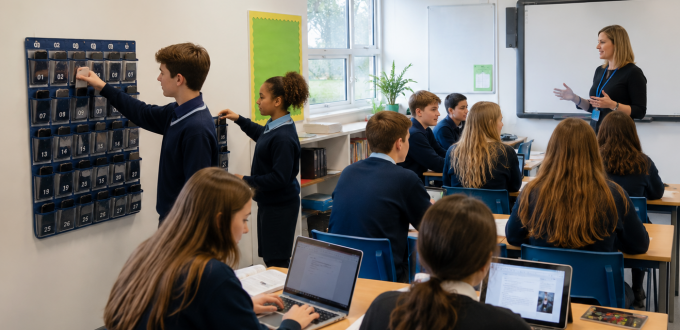
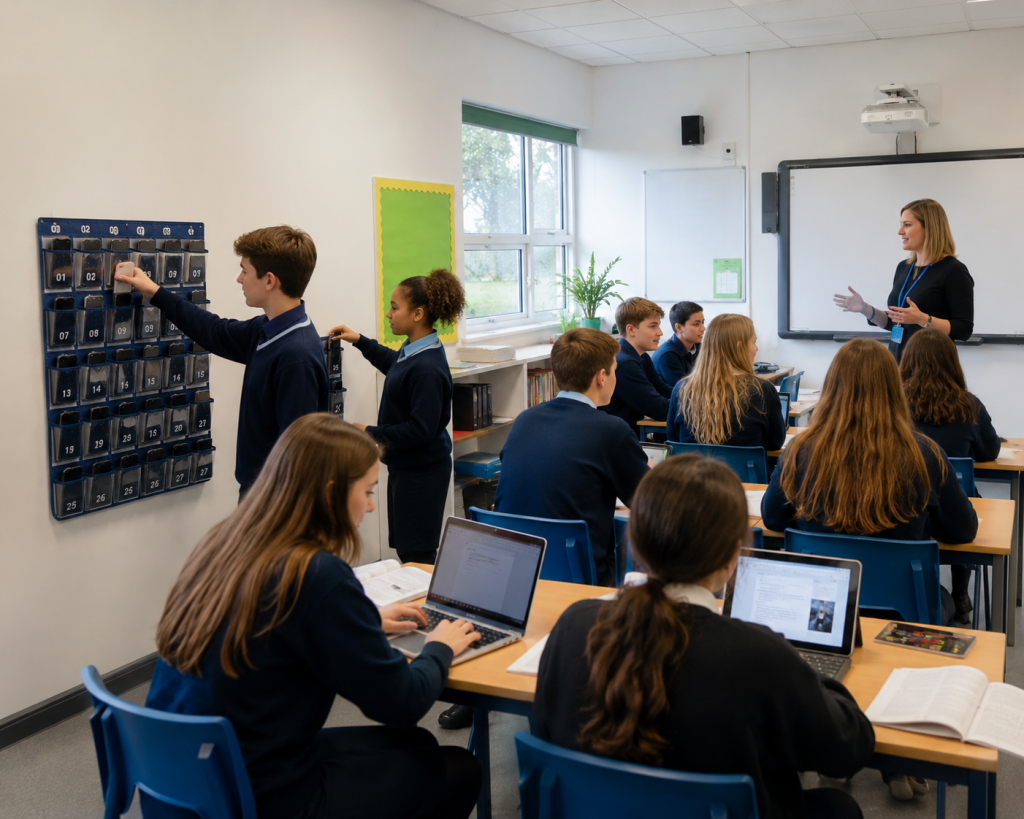
In today's connected world, digital devices are part of everyday learning, communication, and entertainment. Irish children and teenagers use smartphones, tablets, laptops, and other digital technologies both inside and outside the classroom. While technology has transformed education in many positive ways, it has also raised important questions about screen time academic performance and whether increasing recreational screen use affects students' learning outcomes.
Parents, teachers, school leaders, and policymakers across Ireland are increasingly asking whether excessive screen time reduces concentration, affects memory, disrupts sleep, and ultimately impacts academic achievement. At the same time, digital technology has become essential for modern education, making it important to distinguish between educational screen time that supports learning and recreational screen time that may contribute to distraction and reduced productivity.
Research from organisations including the OECD, UNESCO, the World Health Organization (WHO), Ireland's Department of Education, the Health Service Executive (HSE), and numerous peer-reviewed studies suggests that the relationship between screen time and academic performance is complex rather than simply "good" or "bad." The quality, purpose, duration, and timing of screen use all influence its effects on learning.
This article examines the latest evidence from Ireland and international research to help parents, educators, and school communities understand how screen habits influence educational outcomes and how balanced digital wellbeing can support student success.
What is Screen Time?
Screen time refers to the amount of time spent using digital devices with screens, including:
- Smartphones
- Tablets
- Computers
- Laptops
- Televisions
- Gaming consoles
- Interactive educational devices
However, modern research increasingly recognises that not all screen time is equal. The impact on learning depends on what students are doing, why they are using the device, and how long they spend on it.
Passive Screen Time
Passive screen time involves consuming content without much mental engagement. Examples include:
- Watching videos
- Streaming television
- Endless scrolling on social media
- Viewing short-form content
- Passive browsing
Passive screen activities often require little cognitive effort and can become prolonged without delivering meaningful educational benefits.
Active Screen Time
Active screen time encourages interaction, problem-solving, and creativity. Examples include:
- Educational games
- Coding
- Interactive learning platforms
- Creative design
- Language learning
- Collaborative projects
Active engagement generally stimulates higher-order thinking skills and can contribute positively to learning outcomes.
Educational Screen Time
Educational screen time is directly linked to learning objectives. Examples include:
- Completing homework
- Participating in online classes
- Conducting academic research
- Using digital textbooks
- Educational videos
- Science simulations
- Mathematics platforms
- Classroom collaboration tools
Research indicates that educational technology is most effective when integrated into well-designed teaching rather than replacing quality instruction.
Recreational Screen Time
Recreational screen time focuses primarily on entertainment rather than learning. Examples include:
- Social media
- Online gaming
- Streaming entertainment
- Watching influencers
- Video sharing platforms
- Casual web browsing
While recreational use is a normal part of modern life, excessive or poorly timed use particularly late at night or during study periods has been associated with reduced academic engagement.
Why Screen Time matters for Academic Performance?
The relationship between screen time academic performance extends beyond the number of hours spent on devices. Researchers increasingly examine how digital habits influence the brain processes that support successful learning.
Several cognitive and behavioural factors help explain why excessive recreational screen use may affect educational outcomes.
1. Attention Span
Learning requires sustained attention. Constant notifications, rapid content switching, and frequent multitasking can interrupt concentration. Students who regularly divide attention between studying and checking social media often require more time to complete tasks and may retain less information. Educational psychologists describe this as attention fragmentation, where repeated interruptions reduce deep learning.
2. Memory Formation
New knowledge must move from short-term memory into long-term memory through focused practice and adequate rest. Continuous digital interruptions may reduce opportunities for deep processing, making it more difficult to remember information during examinations. Research in cognitive psychology suggests that sustained attention supports stronger memory consolidation than fragmented study sessions.
3. Executive Functioning
Executive functioning includes important skills such as:
- Planning
- Organisation
- Self-control
- Time management
- Decision-making
- Working memory
Students who frequently switch between homework and recreational apps may find it harder to organise tasks efficiently or resist distractions. Developing healthy digital habits can strengthen self-regulation and improve academic productivity.
4. Homework Quality
Homework often requires uninterrupted concentration. Frequent smartphone checking can:
- Increase completion time
- Reduce accuracy
- Increase careless mistakes
- Lower comprehension
- Reduce independent thinking
Research has consistently found that multitasking while studying is associated with poorer academic outcomes compared with focused, distraction-free learning.
5. Classroom Participation
Students who are distracted by mobile devices during lessons may:
- Miss teacher explanations
- Participate less in discussions
- Take fewer effective notes
- Ask fewer questions
- Show reduced engagement
Many schools have responded by introducing structured mobile phone policies that aim to protect valuable learning time while encouraging responsible technology use.
6. Sleep and Learning
One of the strongest research findings concerns the relationship between screen use, sleep, and academic performance. Evening screen use particularly on smartphones may:
- Delay bedtime
- Reduce sleep duration
- Affect sleep quality
- Increase daytime tiredness
- Reduce attention in school
Healthy sleep is essential for memory consolidation, emotional regulation, and effective learning, making bedtime screen habits an important part of students' overall academic success.
What Irish Research Says About Screen Time?
Ireland has increasingly recognised digital wellbeing as an important aspect of children's education and development. While much of the evidence comes from a combination of national reports and international research, several Irish organisations have contributed valuable insights into how technology use influences young people's wellbeing and learning.
Department of Education Ireland
Ireland's Department of Education has placed growing emphasis on digital learning through the Digital Strategy for Schools, while also recognising the importance of responsible technology use. Recent guidance encourages schools to integrate digital technologies in ways that enhance teaching and learning, alongside fostering digital citizenship, online safety, and critical thinking.
The Department also supports schools in developing policies that promote balanced and purposeful technology use rather than unrestricted device access.
Health Service Executive (HSE)
The HSE provides guidance for parents on healthy screen habits, encouraging families to consider not just the amount of screen time but also the type of content, the child's age, sleep routines, physical activity, and opportunities for face-to-face interaction. It emphasises creating balanced daily routines that support children's physical, emotional, and cognitive development.
Economic and Social Research Institute (ESRI)
ESRI research has explored children's wellbeing, educational experiences, and digital lives in Ireland. Its findings reinforce that family environment, socioeconomic factors, school engagement, and wellbeing interact with technology use, highlighting that screen time alone does not determine educational outcomes. Instead, broader patterns of support, supervision, and learning opportunities play a significant role.
Irish Universities
Researchers at several Irish universities have examined topics such as adolescent mental health, digital technology use, online behaviour, and educational outcomes. While methodologies differ, a common finding is that balanced digital engagement, healthy sleep, and strong self-regulation are associated with better academic and wellbeing outcomes than excessive recreational use.
OECD Findings Relevant to Ireland
Ireland participates in the OECD's Programme for International Student Assessment (PISA), which has examined how students use digital technologies for learning. OECD analyses suggest that moderate, purposeful use of technology can support education, whereas excessive or distracting use particularly during lessons may be associated with lower performance. The emphasis is on effective integration of technology, not simply increasing or reducing device use.
Educational Screen Time vs Recreational Screen Time
One of the most important findings from recent educational research is that not all screen time affects learning in the same way. Simply measuring the number of hours a student spends on a device does not provide the full picture.
Researchers increasingly distinguish between educational screen time, which is purposeful and supports learning, and recreational screen time, which is primarily entertainment-focused. This distinction is particularly important when discussing screen time academic performance, as educational use often produces different outcomes from excessive recreational use.
Comparison: Educational Screen Time vs Recreational Screen Time
| Educational Screen Time | Recreational Screen Time |
| Digital textbooks | Social media scrolling |
| Homework platforms | Short-form videos |
| Online classes | Streaming entertainment |
| Educational videos | Online gaming (non-educational) |
| Virtual science labs | Endless browsing |
| Research projects | Entertainment apps |
| Coding and STEM activities | Constant messaging |
| Interactive quizzes | Passive video consumption |
| Collaboration tools | Celebrity/influencer content |
| Teacher-guided learning | Notification-driven multitasking |
Why Educational Screen Time Often Supports Learning
When technology is integrated effectively into teaching, it can improve learning by helping students:
- Access high-quality educational resources
- Receive immediate feedback
- Collaborate with classmates
- Develop digital literacy
- Learn at their own pace
- Engage with interactive content
- Build research skills
OECD research has consistently emphasised that technology is most beneficial when it supports effective teaching practices, rather than replacing them.
Examples include:
- Mathematics practice platforms
- Virtual science experiments
- Language learning applications
- Digital libraries
- Collaborative classroom projects
- Accessibility tools for students with additional learning needs
The educational value comes from purposeful use, not from screen exposure itself.
Why Excessive Recreational Screen Time Can Affect Learning
Research has identified several ways in which excessive recreational screen use may interfere with academic success.
These include:
- Constant interruptions from notifications
- Reduced homework completion
- Poorer sleep quality
- Less time spent reading
- Increased procrastination
- Reduced physical activity
- Greater difficulty maintaining attention
Importantly, these effects are generally linked to how devices are used rather than the devices themselves.
Major Factors Linking Screen Time and Academic Performance
Understanding the relationship between screen time academic performance requires examining the different mechanisms through which digital habits influence learning.
Rather than one single cause, researchers describe a combination of cognitive, behavioural, and lifestyle factors.
1. Sleep Disruption
Sleep is one of the strongest predictors of academic success.
Evening smartphone use may affect sleep by:
- Delaying bedtime
- Encouraging "just one more video" behaviour
- Interrupting sleep through notifications
- Increasing mental stimulation before bed
Poor sleep has been associated with:
- Lower concentration
- Reduced memory consolidation
- Increased classroom fatigue
- Lower motivation
- Reduced problem-solving ability
Educational neuroscience consistently shows that adequate sleep is essential for transferring newly learned information into long-term memory.
2. Reduced Attention Span
Today's digital environment encourages rapid switching between multiple sources of information.
Students often move between:
- Homework
- Messaging apps
- Social media
- Streaming platforms
- Gaming
- Internet browsing
Although many students believe they are effective multitaskers, cognitive psychology research suggests otherwise.
The brain performs best when attention is focused on one demanding task at a time.
Repeated interruptions can:
- Reduce comprehension
- Increase mistakes
- Slow learning
- Make studying less efficient
3. Multitasking During Learning
Multitasking is one of the most studied topics in educational psychology.
Examples include:
- Watching videos while studying
- Checking messages during homework
- Using social media between revision sessions
- Switching between multiple browser tabs
Research published in peer-reviewed educational journals has found that multitasking often reduces:
- Reading comprehension
- Recall accuracy
- Information retention
- Exam preparation efficiency
Students typically spend more time completing work without improving learning outcomes.
4. Social Media Distractions
Social media platforms are intentionally designed to maximise engagement.
Features such as:
- Infinite scrolling
- Personalised recommendations
- Likes
- Comments
- Notifications
- Short-form video feeds
encourage repeated checking throughout the day.
For students, frequent interruptions can reduce:
- Homework quality
- Reading time
- Classroom focus
- Independent thinking
Research has found that students who repeatedly interrupt study sessions to check social media often report greater difficulty concentrating on complex academic tasks.
5. Notification Overload
Every notification competes for attention.
These include:
- Messages
- Group chats
- Social media alerts
- Gaming invitations
- App reminders
Even when students ignore notifications, anticipating them can increase cognitive load.
Researchers sometimes refer to this as the "cost of task switching."
Each interruption requires the brain to:
- Stop the current task.
- Process the interruption.
- Return to the original task.
- Rebuild concentration.
Repeated dozens of times each day, these interruptions may reduce productive learning time.
6. Mental Health and Emotional Wellbeing
Academic performance cannot be separated from wellbeing.
Research has explored associations between excessive recreational screen use and:
- Anxiety
- Stress
- Reduced self-esteem
- Fear of Missing Out (FOMO)
- Social comparison
While screen time alone does not cause mental health difficulties, unhealthy digital habits may contribute to emotional challenges for some young people.
Students experiencing emotional distress may find it harder to:
- Focus
- Complete homework
- Participate in class
- Prepare for examinations
Balanced digital wellbeing supports both learning and overall health.
7. Reduced Reading Time
Reading remains one of the strongest predictors of educational achievement.
When recreational screen time replaces reading, students may spend less time developing:
- Vocabulary
- Comprehension
- Critical thinking
- Writing skills
- General knowledge
OECD assessments have repeatedly highlighted reading literacy as a key foundation for long-term academic success.
Encouraging regular reading alongside healthy technology use creates a more balanced learning environment.
8. Less Physical Activity
Children and teenagers need regular physical movement for healthy brain development.
WHO recommends that children and adolescents engage in regular physical activity while limiting sedentary behaviour as part of a healthy lifestyle.
Physical activity supports:
- Attention
- Mood
- Memory
- Executive functioning
- Classroom behaviour
When excessive recreational screen time replaces outdoor play or exercise, students may lose some of these cognitive and health benefits.
Expert Insights: What Educational Neuroscience Tells Us
Educational neuroscience provides valuable insight into why balanced technology use matters.
The developing brain benefits from a combination of:
- Focused learning
- Adequate sleep
- Physical activity
- Social interaction
- Reading
- Reflection
- Problem-solving
Digital technology can support each of these areas when used intentionally.
However, continuous distraction may interfere with the brain's ability to engage in deep learning, where students connect new knowledge with existing understanding.
Neuroscientists generally agree that learning is strengthened by sustained attention rather than constant interruption.
Research Summary
The following table summarises the evidence from major organisations and research bodies.
| Organisation | Key Findings Relevant to Screen Time & Academic Performance |
| OECD | Moderate, purposeful educational technology supports learning, while excessive digital distraction during lessons may reduce performance. |
| UNESCO | Technology should enhance not replace effective teaching. Digital inclusion must be accompanied by evidence-based educational practice. |
| World Health Organization (WHO) | Healthy routines should balance screen use with sleep, physical activity, and overall wellbeing, particularly for children and adolescents. |
| Department of Education (Ireland) | Encourages the effective integration of digital technologies alongside digital citizenship, online safety, and responsible technology use. |
| Health Service Executive (HSE) | Advises families to focus on balanced screen habits, age-appropriate content, healthy routines, and positive family engagement with technology. |
| ESRI | Children's educational outcomes are shaped by multiple factors including wellbeing, family environment, and school engagement rather than screen time alone. |
| Peer-reviewed Educational Research | Excessive recreational screen use is commonly associated with poorer sleep, lower concentration, increased multitasking, and reduced academic performance, while educational screen use can support learning when well designed. |
Evidence-Based Recommendations
Current evidence suggests that improving screen time academic performance is less about eliminating technology and more about using it wisely.
Research consistently supports the following principles:
- Prioritise educational over recreational screen use.
- Avoid unnecessary smartphone use during homework and lessons.
- Reduce screen exposure before bedtime to support healthy sleep.
- Encourage focused, distraction-free study sessions.
- Promote regular reading alongside digital learning.
- Balance screen use with physical activity and face-to-face interaction.
- Teach digital wellbeing and self-regulation from an early age.
- Develop school policies that minimise classroom distractions while preserving access to educational technology.
- Involve parents and carers in creating consistent digital habits at home.
- Evaluate technology based on learning outcomes not simply on the amount of time spent using devices.
Key Takeaways
- The strongest evidence links excessive recreational screen time rather than educational technology itself to poorer academic outcomes.
- Sleep, attention, and self-regulation are the primary pathways through which screen habits influence learning.
- Educational screen use, when guided by teachers and aligned with learning goals, can enhance engagement and skill development.
- Balanced digital wellbeing practices at home and in school are more effective than blanket restrictions on all technology.
- The goal for Irish schools and families should be purposeful, balanced, and evidence-informed technology use that supports both academic achievement and student wellbeing.
How Schools in Ireland Are Addressing Screen Time
Across Ireland, schools are increasingly recognising that managing screen time is not simply about reducing device use it is about promoting digital wellbeing, protecting learning time, and helping students develop responsible digital habits that will benefit them throughout their lives.
Rather than viewing technology as either entirely positive or entirely harmful, many Irish schools are adopting a balanced approach. This aligns with guidance from the Department of Education, recommendations from the Health Service Executive (HSE), and international organisations such as UNESCO and the OECD, which encourage schools to use digital technology intentionally while minimising unnecessary distractions.
Several key strategies are emerging across Irish primary and post-primary schools.
1. Digital Wellbeing Education
Many schools now incorporate digital wellbeing into broader wellbeing and digital citizenship programmes.
Students learn how to:
- Develop healthy screen habits
- Recognise problematic digital behaviours
- Balance online and offline activities
- Build healthy relationships with technology
- Manage digital distractions
- Understand the importance of sleep and mental wellbeing
Rather than simply telling students to "use phones less," these programmes encourage critical thinking about technology and its impact on everyday life.
2. Classroom Mobile Phone Policies
An increasing number of Irish schools have introduced structured mobile phone policies designed to reduce classroom distractions.
Policies vary between schools but may include:
- Phones switched off during lessons
- Devices stored in lockers
- Teacher-managed phone collection
- Classroom phone storage systems
- Phone-free learning environments
- Restricted phone access during instructional time
The goal is to protect teaching and learning while maintaining reasonable access to technology when it supports educational objectives.
3. Phone-Free Initiatives
Phone-free initiatives have gained attention in Ireland and internationally as schools seek to improve concentration, reduce social distractions, and encourage face-to-face interaction.
These initiatives may involve:
- Secure phone pouches that students keep with them while devices remain inaccessible during the school day
- Lockable classroom storage systems
- Designated phone-free zones
- Structured break-time policies
Schools adopting these approaches often report qualitative improvements in classroom engagement, communication, and participation. However, outcomes vary depending on school culture, implementation, and community support.
4. Digital Citizenship Programmes
Digital citizenship extends beyond online safety.
It teaches students how to:
- Evaluate online information critically
- Communicate respectfully online
- Protect personal information
- Understand digital footprints
- Identify misinformation
- Use technology ethically and responsibly
Developing these skills prepares students not only for academic success but also for life in an increasingly digital society.
5. Strong Parent Partnerships
Schools increasingly recognise that digital wellbeing cannot be achieved through school policies alone.
Successful initiatives involve:
- Parent workshops
- Information evenings
- Home-school communication
- Shared expectations for screen use
- Guidance on age-appropriate technology
Consistency between school and home helps students develop healthier digital routines.
6. Balanced Technology Integration
Irish schools continue to expand the use of educational technology where it genuinely enhances learning.
Examples include:
- Interactive whiteboards
- Digital learning platforms
- Online assessment tools
- Collaborative classroom software
- Educational coding activities
- STEM learning technologies
Importantly, effective schools focus on purposeful technology use, ensuring that digital tools complement high-quality teaching rather than replacing it.
Practical Tips for Parents
Parents play one of the most important roles in shaping healthy technology habits. Research consistently shows that family routines, communication, and positive role modelling influence children's digital behaviours.
Here are 10 evidence-based recommendations for parents.
1. Create Device-Free Study Time
Encourage children to complete homework without notifications or social media interruptions. A quiet, distraction-free environment supports concentration and deeper learning.
2. Keep Bedrooms Screen-Free at Night
Avoid smartphones, tablets, and gaming devices before bedtime. Healthy sleep is closely linked to memory, attention, and academic performance.
3. Focus on Screen Quality, Not Just Screen Quantity
Ask:
- What is my child doing?
- Why are they using the device?
- Is it educational or recreational?
Purpose matters more than simply counting hours.
4. Encourage Reading Every Day
Regular reading strengthens vocabulary, comprehension, and critical thinking. Balancing digital learning with books supports long-term academic success.
5. Be a Positive Digital Role Model
Children often copy adult behaviours. Demonstrating healthy technology habits such as limiting phone use during meals or conversations can reinforce positive routines.
6. Set Consistent Family Expectations
Create simple household guidelines, for example:
- No phones during meals
- Homework before entertainment
- Technology-free family time
- Screens off before bedtime
Consistency is more effective than occasional strict rules.
7. Talk About Social Media
Discuss:
- Online friendships
- Privacy
- Digital footprints
- Misinformation
- Cyberbullying
- Responsible posting
Open conversations build trust and digital resilience.
8. Encourage Offline Activities
Support interests such as:
- Sports
- Music
- Reading
- Art
- Outdoor play
- Community activities
A balanced lifestyle naturally reduces excessive recreational screen time.
9. Use Technology Together
Explore educational websites, documentaries, or learning apps as a family. Shared screen experiences often create richer learning opportunities than passive individual use.
10. Review Screen Habits Regularly
Technology changes quickly. Revisit family expectations as children grow older and their educational needs evolve.
Frequently Asked Questions
1. How much screen time is healthy for school-aged children?
There is no universal daily limit that applies to every school-aged child. Current guidance from organisations such as the World Health Organization (WHO) and the Health Service Executive (HSE) increasingly focuses on the quality, purpose, and balance of screen use rather than counting every minute.
A healthy digital routine should include:
- Adequate sleep
- Daily physical activity
- Face-to-face social interaction
- Time outdoors
- Reading and homework
- Recreational activities away from screens
Educational screen time for schoolwork is generally viewed differently from recreational entertainment, provided it is age-appropriate and balanced with other aspects of daily life.
2. Can smartphones lower exam scores?
Research suggests that frequent smartphone distractions can negatively affect study efficiency, concentration, and information retention.
Students who repeatedly interrupt revision to:
- Check messages
- Browse social media
- Watch videos
- Respond to notifications
often spend longer studying while learning less effectively.
It is important to note that smartphones themselves do not reduce grades. Rather, how they are used during learning influences academic outcomes.
3. What does Irish research recommend about screen time?
Irish organisations, including the Department of Education, the HSE, and the ESRI, support a balanced approach to digital technology.
Common recommendations include:
- Encouraging purposeful educational technology
- Promoting digital wellbeing
- Supporting healthy sleep routines
- Developing digital citizenship
- Strengthening partnerships between schools and parents
- Creating age-appropriate technology policies
The emphasis is on responsible and balanced technology use rather than eliminating digital devices altogether.
4. Is educational screen time different from recreational screen time?
Yes.
Educational screen time is designed to support learning through activities such as:
- Homework
- Research
- Interactive lessons
- Educational videos
- Online collaboration
- Digital textbooks
Recreational screen time generally focuses on entertainment, including:
- Social media
- Streaming
- Gaming
- Endless scrolling
- Passive video consumption
Research consistently shows that educational screen use is more likely to contribute positively to learning when guided by effective teaching.
5. Does screen time affect sleep?
Yes, particularly when screens are used close to bedtime.
Evening smartphone use may:
- Delay sleep onset
- Reduce sleep duration
- Interrupt sleep through notifications
- Increase mental stimulation before bed
Since sleep plays a critical role in memory consolidation, emotional regulation, and concentration, improving bedtime routines may also support better academic performance.
6. How can parents reduce excessive screen time?
Parents can encourage healthier digital habits by:
- Creating technology-free family routines
- Keeping devices out of bedrooms overnight
- Setting consistent expectations
- Encouraging outdoor activities
- Reading together
- Modelling positive technology use
- Discussing online behaviour openly
Research suggests that positive guidance is generally more effective than relying solely on strict restrictions.
7. Should schools ban mobile phones?
There is no one-size-fits-all answer.
Many schools have introduced structured mobile phone policies to reduce classroom distractions while still allowing technology to support learning when appropriate.
Effective approaches often include:
- Phone-free lessons
- Secure phone storage
- Digital wellbeing education
- Clear expectations
- Parent engagement
The evidence suggests that policies work best when they are part of a wider culture of responsible technology use.
8. What age should children receive their first smartphone?
There is no universally recommended age.
The decision depends on factors such as:
- Maturity
- Independence
- Family circumstances
- School expectations
- Online safety awareness
Before providing a smartphone, parents should consider whether their child understands responsible digital behaviour, privacy, online safety, and healthy screen habits.
9. Can screen time improve learning?
Yes, when used intentionally.
Educational technology can:
- Increase student engagement
- Support personalised learning
- Improve accessibility
- Encourage collaboration
- Develop digital literacy
- Provide immediate feedback
Technology becomes most effective when it complements excellent teaching rather than replacing it.
10. What are the best digital wellbeing practices?
Healthy digital wellbeing includes:
- Purposeful technology use
- Balanced daily routines
- Good sleep hygiene
- Regular physical activity
- Limited distractions during study
- Positive online behaviour
- Face-to-face relationships
- Digital citizenship education
The goal is not to avoid technology but to ensure it supports learning, wellbeing, and healthy development.
Conclusion
The relationship between screen time academic performance is far more nuanced than the simple question of whether screens are "good" or "bad." Evidence from Ireland and around the world consistently shows that the quality, purpose, timing, and context of screen use matter far more than the total number of hours spent in front of a device.
Educational technology has become an essential part of modern learning. Digital tools can enhance collaboration, improve accessibility, provide personalised learning opportunities, and help students develop the digital skills needed for higher education and the workplace. When teachers integrate technology thoughtfully and align it with clear learning objectives, screen-based learning can make a meaningful contribution to academic success.
At the same time, the research is equally clear that excessive recreational screen time particularly when it replaces sleep, reading, physical activity, or focused study may negatively influence attention, memory, self-regulation, and overall academic performance. Constant notifications, social media distractions, and multitasking can make it more difficult for students to engage in the sustained concentration required for deep learning.
For parents, the most effective strategy is to establish healthy family routines rather than focusing solely on rigid time limits. Encouraging device-free homework sessions, promoting regular reading, maintaining screen-free bedrooms at night, and modelling balanced technology use can all contribute to healthier digital habits.
For schools, success lies in creating environments where technology enhances learning without becoming a source of unnecessary distraction. This includes:
- Teaching digital wellbeing and digital citizenship
- Developing clear and consistent mobile phone policies
- Partnering with parents and carers
- Providing teachers with professional development
- Using educational technology where it demonstrably improves learning outcomes
Across Ireland, schools are increasingly recognising that preparing students for the future requires more than digital skills alone. Young people also need the ability to manage their attention, regulate their technology use, think critically, and maintain healthy relationships with digital devices.
Ultimately, the evidence supports a balanced approach. Students do not need fewer opportunities to learn with technology, they need better opportunities to use it purposefully. By distinguishing educational screen use from excessive recreational use and promoting healthy digital wellbeing, families and schools can help young people thrive academically while developing the lifelong skills needed in an increasingly connected world.
Explore Zeeko’s Home Page to discover our mission on the About Us Page, innovative Phone Blocking System, and engaging Phoenix Quest 10 programme. We provide Internet Safety Seminars, the Zeeko Report Card, and the Magical Leaders Choose Country initiative, alongside insights from our Digital Trend Report. Stay connected with us on Facebook and Instagram for updates.