

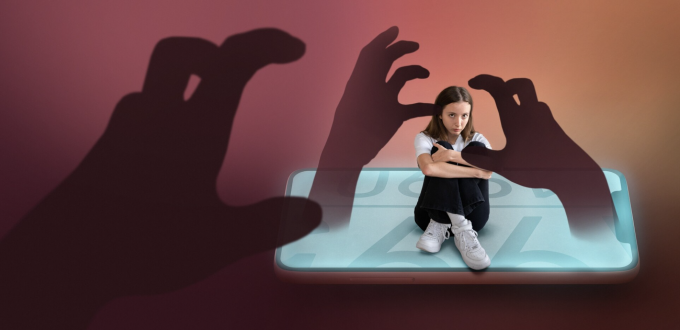
Cyberbullying and mental health, In today’s always-connected world, digital platforms have become central to how we communicate, learn, and express ourselves. While the internet offers incredible opportunities, it has also created space for harmful behaviours—one of the most damaging being cyberbullying. Unlike traditional bullying, cyberbullying can follow a person everywhere, affecting them at any time of day or night. Its consequences extend far beyond the screen, deeply impacting individuals, communities, and society as a whole.
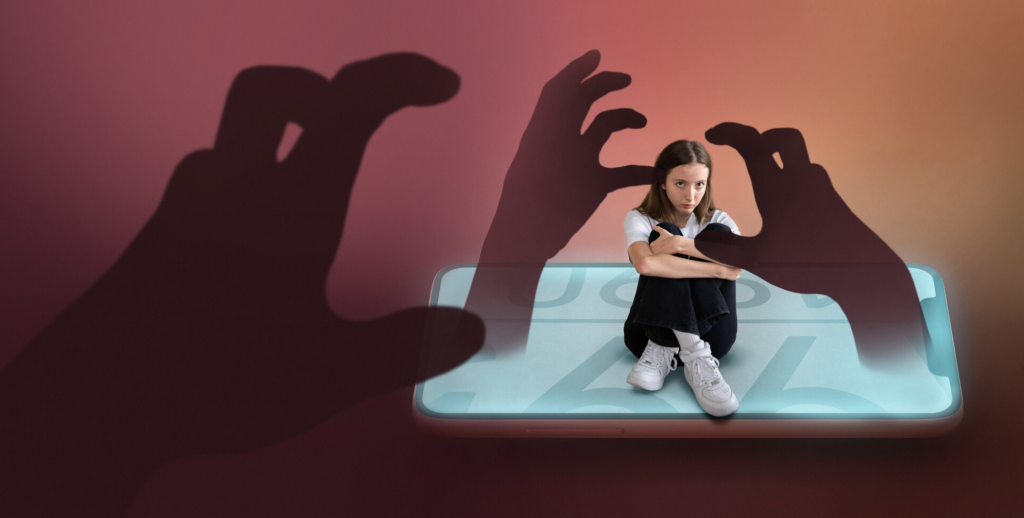
At the heart of this issue lies the strong and troubling link between cyberbullying and mental health. Research, real-life stories, and expert insights consistently show that online harassment can cause serious emotional, psychological, and even physical harm. Understanding why cyberbullying is bad, what it can lead to, and how it affects online culture is essential if we are to create safer digital spaces for everyone.
What is Cyberbullying?
Before exploring its impact, it’s important to understand what cyber bullying actually is. Cyberbullying refers to the use of digital technologies—such as social media, messaging apps, online forums, gaming platforms, and emails—to harass, threaten, embarrass, or target another person repeatedly.
Common forms of cyberbullying include:
- Sending abusive or threatening messages
- Spreading rumours or false information online
- Sharing private images or information without consent
- Creating fake profiles to impersonate or mock someone
- Excluding someone deliberately from online groups
- Posting humiliating comments or content publicly
A key factor that distinguishes cyberbullying from offline bullying is its scale and permanence. Harmful content can be shared instantly with large audiences and may remain accessible long after the initial incident.
When Can Cyberbullying Happen?
One of the most frightening aspects of online harassment is when can cyberbullying happen—the answer is: anytime. Unlike schoolyard bullying, cyberbullying doesn’t stop when the school day ends. It can happen:
- Late at night
- During weekends or holidays
- While someone is at home, a place meant to feel safe
This constant accessibility can leave victims feeling trapped, powerless, and unable to escape the abuse. The lack of safe downtime significantly increases stress and emotional exhaustion.
Cyberbullying and Mental Health: A Dangerous Connection
The relationship between cyberbullying and mental health is well documented and deeply concerning. Victims of cyberbullying often experience long-term psychological effects that can shape their self-esteem, relationships, and overall wellbeing.
Emotional and Psychological Effects
Some of the most common cyberbullying effects on mental health include:
- Anxiety and panic attacks
- Depression and persistent sadness
- Low self-esteem and self-worth
- Feelings of shame, fear, and helplessness
- Social withdrawal and isolation
In severe cases, victims may develop post-traumatic stress symptoms or struggle with suicidal thoughts. This highlights why cyberbullying is dangerous and why it must be addressed seriously.
What Cyberbullying Can Do to Children and Teenagers?
Young people are particularly vulnerable to online abuse. Adolescents are still developing emotionally, and negative online experiences can have a lasting impact on their identity and confidence.
Academic and Social Impact
Cyberbullying doesn’t just affect mental health—it can also impact:
- Concentration and academic performance
- School attendance
- Participation in social activities
- Trust in peers and adults
Understanding what cyberbullying can cause in young people helps parents, educators, and policymakers recognise the urgency of early intervention.
What Cyberbullying Can Lead To in the Long Term?
The long-term consequences of cyberbullying can extend into adulthood. Many victims report ongoing struggles with:
- Anxiety in online and offline interactions
- Difficulty forming healthy relationships
- Fear of public expression or sharing opinions
- Persistent self-doubt
This demonstrates what cyberbullying can lead to if it is ignored or minimised.
Why Cyberbullying Is Bad for Society and Online Culture?
Cyberbullying doesn’t just harm individuals—it damages the health of the entire digital ecosystem. Toxic behaviour online discourages open discussion, creativity, and diversity of thought.
Erosion of Online Trust
When harassment becomes normalised, people may:
- Avoid sharing opinions
- Leave online communities
- Self-censor to avoid abuse
This is a major reason why cyberbullying is a problem for online culture. Instead of being spaces for learning and connection, platforms can become hostile environments driven by fear and negativity.
Which Statement About Cyberbullying is True?
A common myth is that cyberbullying is “not as serious” as face-to-face bullying. However, the true statement about cyberbullying is this:
Cyberbullying can be just as harmful—or more harmful—than offline bullying because it is persistent, public, and difficult to escape.
This reality reinforces why cyberbullying is bad and why it should never be dismissed as harmless online behaviour.
Can Cyberbullying Be a Crime?
Many people ask, can cyberbullying be a crime? The answer increasingly is yes. While laws vary by country, cyberbullying can fall under legal categories such as:
- Harassment
- Stalking
- Hate speech
- Threats of violence
- Defamation
In some cases, sharing private images without consent or making credible threats can lead to serious legal consequences.
What are Cyberbullying Laws?
Understanding what are cyberbullying laws is essential for both prevention and accountability. Many governments are strengthening legislation to protect victims, especially minors.
Common legal approaches include:
- Anti-harassment and communications laws
- School-based reporting requirements
- Platform responsibilities for content moderation
- Penalties for repeat or severe offenders
While laws alone cannot solve the problem, they play an important role in signalling that cyberbullying is unacceptable and harmful.
Why Cyberbullying Is Dangerous for Mental Wellbeing?
Cyberbullying is dangerous because it combines emotional abuse with constant exposure. Victims may feel watched, judged, or attacked at all times. This persistent stress can:
- Disrupt sleep patterns
- Increase feelings of hopelessness
- Lead to unhealthy coping mechanisms
These outcomes clearly show what cyberbullying can do when it goes unchecked.
Why Cyberbullying Should Be Stopped?
There are many reasons why cyberbullying should be stopped, but at its core, it is about protecting human dignity and mental health. Everyone deserves to feel safe—both offline and online.
Stopping cyberbullying helps:
- Protect vulnerable individuals
- Improve mental wellbeing
- Encourage respectful online interactions
- Create healthier digital communities
Prevention benefits not only victims, but also bystanders and even perpetrators, who may otherwise continue harmful patterns of behaviour.
The Role of Parents, Schools, and Platforms
Addressing cyberbullying requires a collective effort.
Parents and Guardians
- Encourage open communication
- Teach digital responsibility
- Monitor online activity without invading trust
Schools and Educators
- Provide clear reporting systems
- Educate students about online behaviour
- Promote empathy and digital citizenship
Online Platforms
- Enforce community guidelines
- Respond quickly to reports
- Design safer digital environments
Together, these efforts help reduce cyberbullying effects and support positive mental health outcomes.
Building a Healthier Online Culture
To repair online culture, we must actively promote kindness, accountability, and respect. This includes:
- Speaking out against harassment
- Supporting victims
- Educating users about the impact of their words
Changing behaviour online starts with understanding why cyberbullying is a problem and committing to solutions.
Conclusion: Protecting Mental Health in a Digital World
The connection between cyberbullying and mental health is undeniable. Online harassment can cause deep emotional harm, disrupt lives, and damage the culture of the internet itself. From children and teenagers to adults, no one is immune to its effects.
By understanding what cyberbullying can cause, why cyberbullying is dangerous, and why cyberbullying should be stopped, we take the first step toward meaningful change. Safer digital spaces are possible—but only if individuals, communities, and platforms work together to challenge harmful behaviour and prioritise mental wellbeing.
Creating a respectful online world isn’t just a digital responsibility—it’s a human one. Follow Zeeko Education on Facebook!
Explore Zeeko’s Home Page to discover our mission on the About Us Page, innovative Phone Blocking System, and engaging Phoenix Quest 10 programme. We provide Internet Safety Seminars, the Zeeko Report Card, and the Magical Leaders Choose Country initiative, alongside insights from our Digital Trend Report. Stay connected with us on Facebook and Instagram for updates.