

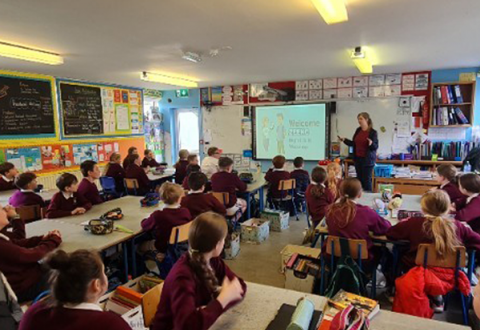
In Irish homes and classrooms, learning is now deeply connected to the online world. From Google Classroom and Microsoft Teams to TikTok, Snapchat, and gaming platforms, young people move constantly between schoolwork and social life on screens. That’s why internet safety trainers are no longer a “nice extra” for schools in Ireland – they’re becoming essential.
Specialist trainers help schools, teachers, and parents keep up with fast‑changing online risks while empowering students to use technology confidently and safely.
The Online Reality for Young People in Ireland
Irish children and teens are going online younger, more often, and on more devices. They are:
- Chatting on WhatsApp, Snapchat, Discord, and gaming chats
- Watching endless short‑form videos on TikTok, YouTube and Instagram
- Using AI tools, search engines, and online homework platforms
- Sharing photos, stories, and personal updates daily
With this come serious risks:
- Cyberbullying and online drama in class WhatsApp groups and social media
- Scams and phishing, such as fake competitions, giveaway links, and “free” gaming skins
- Inappropriate or harmful content – violence, self‑harm, porn, hate speech
- Privacy issues – oversharing personal details, location, photos, and passwords
- Pressure and comparison – body image, popularity, and constant notifications affecting sleep and mood
Teachers and parents in Ireland often see the effects – anxiety, friendship breakdowns, distraction in class – but don’t always know how to address the digital side confidently.
What Internet Safety Trainers Actually Do?
Internet safety trainers specialise in digital safety training for schools. They bring up‑to‑date knowledge, practical strategies, and classroom‑ready resources.
Typically, they:
- Run age‑appropriate workshops for students
- Primary: kindness online, what to share/not share, telling an adult
- Junior cycle: social media, group chats, cyberbullying, gaming, scams
- Senior cycle: digital footprint, consent, sexting, image‑sharing, AI and misinformation
- Provide CPD sessions for teachers and school staff
- How to respond to reports of online bullying
- Spotting warning signs that an online issue is affecting a student
- Aligning behaviour, anti‑bullying, and phone policies with online realities
- Offer information evenings or webinars for parents
- Setting up devices and parental controls
- Realistic screen‑time boundaries
- How to talk to children about pornography, self‑harm content, and online strangers
- What to do if something goes wrong
- Help schools strengthen policies and procedures
- Acceptable use policies (AUPs) for devices and networks
- Clear steps for reporting and managing online incidents
- Guidance around mobile phone rules, photos, and social media on school grounds
In short, they turn “we know this is a problem” into “here’s exactly what we can do about it”.
Why Irish Schools Need Internet Safety Trainers Now
1. Safeguarding Has Gone Digital
Child protection is no longer just about what happens in the playground or classroom. A huge amount of harm now starts or spreads:
- Through group chats about classmates
- On anonymous apps and fake accounts
- Via sharing images and videos without consent
Schools in Ireland are increasingly expected to address online safety education, not just offline behaviour. Trained specialists help schools meet this expectation in a structured, age‑appropriate way.
2. The Online World Changes Faster Than School Policies
New apps, trends, and risks appear constantly:
- One year it’s a particular social platform, the next it’s anonymous Q&A apps or AI image tools.
- Scams, challenges, and harmful trends change every term.
Most teachers and parents don’t have time to track all of this. Internet safety trainers monitor the changes and update content so schools aren’t relying on advice that was true five years ago but is outdated now.
3. Teachers Are Already at Capacity
Irish teachers juggle:
- Curriculum demands
- Assessment and reporting
- Inclusion and wellbeing
- Classroom management and parent communication
Expecting them to also design, maintain, and update a full online safety education programme is unrealistic. Trainers provide:
- Ready‑to‑use lesson materials
- Tried‑and‑tested workshop formats
- Clear guidance on what to prioritise at each age
This supports teachers rather than adding another big task to their list.
4. Parents Need Consistent, Practical Guidance
Many parents in Ireland feel:
- Unsure which parental control tools actually work
- Conflicted about when to allow a first phone or social media account
- Worried that “everyone else’s child” is allowed more online freedom
Internet safety trainers help by giving consistent messages from the school side:
- Sharing realistic age guidelines and boundaries
- Showing step‑by‑step how to change privacy and safety settings
- Explaining what’s normal, what’s concerning, and when to seek help
When school and home are aligned, children get clearer signals and feel more supported.
5. Prevention Is Better (and Kinder) Than Crisis Management
Ignoring digital safety often leads to:
- Serious cyberbullying cases that take weeks of staff time
- Distressing incidents involving intimate images
- Students disengaging from school because of online humiliation or anxiety
Investing in internet safety trainers and proactive education:
- Reduces the number and severity of incidents
- Gives students language and tools to report early
- Shows the whole school community that online wellbeing matters as much as grades
For school leaders, this is also about protecting the school’s reputation and demonstrating that digital safety is taken seriously.
What Good Online Safety Education Looks Like in an Irish School?
For teachers, parents, and students, the most effective programmes:
1. Are Ongoing, Not One‑Off Talks
A single assembly once a year isn’t enough. Strong programmes:
- Revisit key topics yearly at a deeper level
- Respond to new trends as they arise
- Build skills over time, like critical thinking about content, empathy online, and help‑seeking
2. Are Tailored by Age and Stage
- Primary pupils learn: what is personal information, how to be kind online, what to do if something upsets them, and that they will not be in trouble for telling an adult.
- Junior cycle students explore: real‑life chat and social media scenarios, cyberbullying, group pressure, gaming, scams, and early relationships online.
- Senior cycle students tackle: digital footprint and reputation, consent and respect in sharing images, managing stress from constant connection, and navigating AI and misinformation as they prepare for college or work.
3. Treat Students as Partners, Not Just “Risky Users”
Good trainers:
- Allow anonymous questions
- Use real scenarios that feel like actual Irish student experiences
- Listen to how students actually use apps and games
- Emphasise students’ right to safety and respect, not just a list of “don’ts”
This builds trust, so students are more likely to speak up when something goes wrong.
4. Support Staff and Parents, Not Just Students
An effective programme always includes:
- Teacher sessions: clear protocols, language to use, boundaries, and classroom strategies.
- Parent evenings/webinars: device setup, conversation starters, and agreeing family rules.
This ensures that children hear the same core messages from school and home.
How Teachers and Parents in Ireland Can Advocate for Internet Safety Training?
If you’re a teacher, parent, or student who wants to see better online safety education in your Irish school, you can:
- Start the conversation
- Raise digital safety at staff meetings, parent association meetings, or student councils.
- Ask what currently exists
- Is online safety covered in SPHE, wellbeing, or CSPE?
- When was it last updated?
- Recommend bringing in a specialist
- Suggest inviting experienced internet safety trainers who can work with students, teachers, and parents.
- Link it to wellbeing and safeguarding
- Make it clear this isn’t about banning phones or blaming technology; it’s about mental health, respect, and safety – the same priorities schools already have.
A Shared Responsibility
For schools in Ireland, internet safety is now a shared responsibility:
- Students need skills and confidence to make good choices online.
- Teachers need support, resources, and clear procedures.
- Parents need up‑to‑date, practical guidance that fits family life.
Internet safety trainers help bring all three together. They turn a fast‑moving, often confusing online world into clear, concrete steps that protect children while allowing them to enjoy the best of what the internet offers.
Explore Zeeko’s Home Page to discover our mission on the About Us Page, innovative Phone Blocking System, and engaging Phoenix Quest 10 programme. We provide Internet Safety Seminars, the Zeeko Report Card, and the Magical Leaders Choose Country initiative, alongside insights from our Digital Trend Report. Stay connected with us on Facebook and Instagram for updates.