


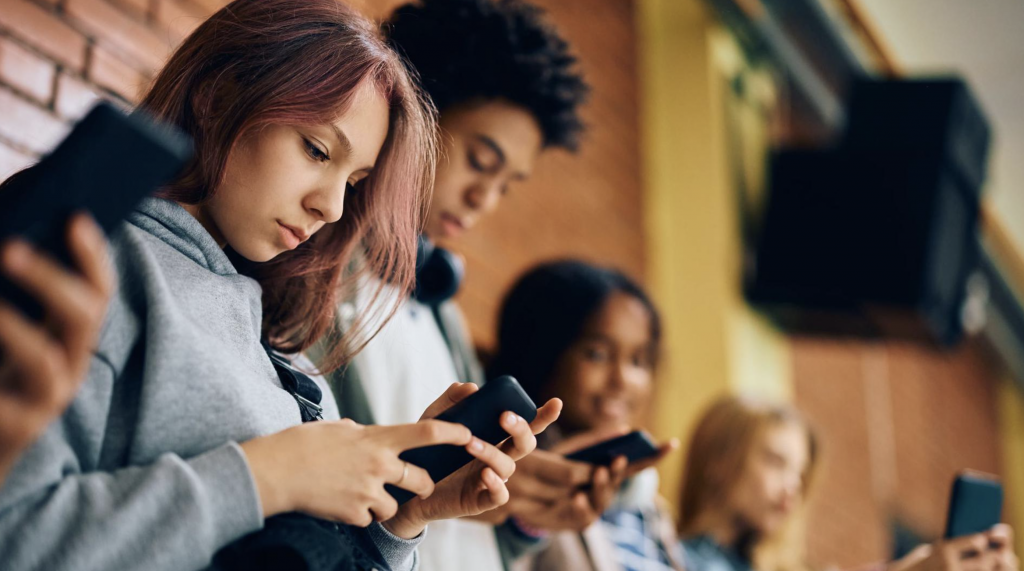
Smartphones in schools have become ubiquitous among students, with popular brands like Apple and Samsung leading the charge in market share and appeal. While these devices offer educational potential, their distracting features often undermine focus in schools, as evidenced by numerous studies.
The Rise of Smartphones Among Students
Popular smartphone brands dominate student preferences due to sleek designs, social media integration, and gaming capabilities. Apple holds about 20% global market share, closely followed by Samsung at 19.1%, making them top choices for teens. In schools, over 70% of high school teachers report cell phones as a major distraction, with notifications pulling attention away from lessons.
These brands' addictive apps exacerbate the issue. Social media on iPhones and Samsung Galaxies delivers constant alerts, reducing cognitive performance even when phones are merely present.
Negative Effects on Student Concentration
Research consistently shows smartphones in schools harm focus. A Rutgers study found students allowing phones during lectures scored lower on exams, as divided attention impairs retention. Checking a phone can take up to 20 minutes to refocus, accumulating into lost learning time.
Cell phone addiction correlates with shorter attention spans, especially among vocational students. In classrooms, 67% of students cite ringing phones as the top electronic distractor, with 21% extremely affected. Popular brands amplify this via high-quality notifications and gamified apps.
Low-achieving students suffer most, widening achievement gaps.
Role of Popular Brands in Distractions
Apple and Samsung's features drive overuse. iPhones' premium ecosystem fosters loyalty, with students averaging 4-6 hours daily usage. Samsung's large screens suit gaming and social scrolling, competing for attention.
Brand prestige adds social pressure; teens flaunt latest models, leading to peer distractions like showing off apps during class. In India, where the query originates, excessive screen time shortens preschoolers' attention, hindering school retention.
No studies isolate brands, but market leaders' app stores flood devices with addictive content.
Potential Educational Benefits
Smartphones in schools aren't all negative. E-books, AR/VR apps on Apple/Samsung devices create immersive learning. They extend education beyond class, aiding research. However, benefits require strict policies; unchecked use flips gains to losses.
School Policies and Phone Bans
Bans improve outcomes. English schools banning phones saw 6.4% test score gains, doubling for low performers. In India, states like Himachal Pradesh enforce bans to curb cognitive risks. Phone-free zones or lockers reduce disruptions. Pew surveys show 72% teachers view phones as problematic.
| Policy Type | Outcomes | Examples |
|---|---|---|
| Full Ban | +6.4% scores | England 91 schools |
| Limited Use | Fewer referrals | Brazil math +25.7% |
| Storage Lockers | Better engagement | U.S. "cell hotels" |
Balancing Technology and Focus
Schools need nuanced approaches. Designate phone storage like CellGuard cabinets. Active learning counters temptations.
For Delhi students, align with local bans while teaching digital literacy.
Conclusion: Prioritizing Focus Over Features
Popular brands like Apple and Samsung boost connectivity but erode focus via distractions. Evidence demands policies favoring bans during class to safeguard learning. Schools succeed by harnessing tech intentionally, not letting it dominate.
Explore Zeeko’s Home Page to discover our mission on the About Us Page, innovative Phone Blocking System, and engaging Phoenix Quest 10 programme. We provide Internet Safety Seminars, the Zeeko Report Card, and the Magical Leaders Choose Country initiative, alongside insights from our Digital Trend Report. Stay connected with us on Facebook and Instagram for updates.