

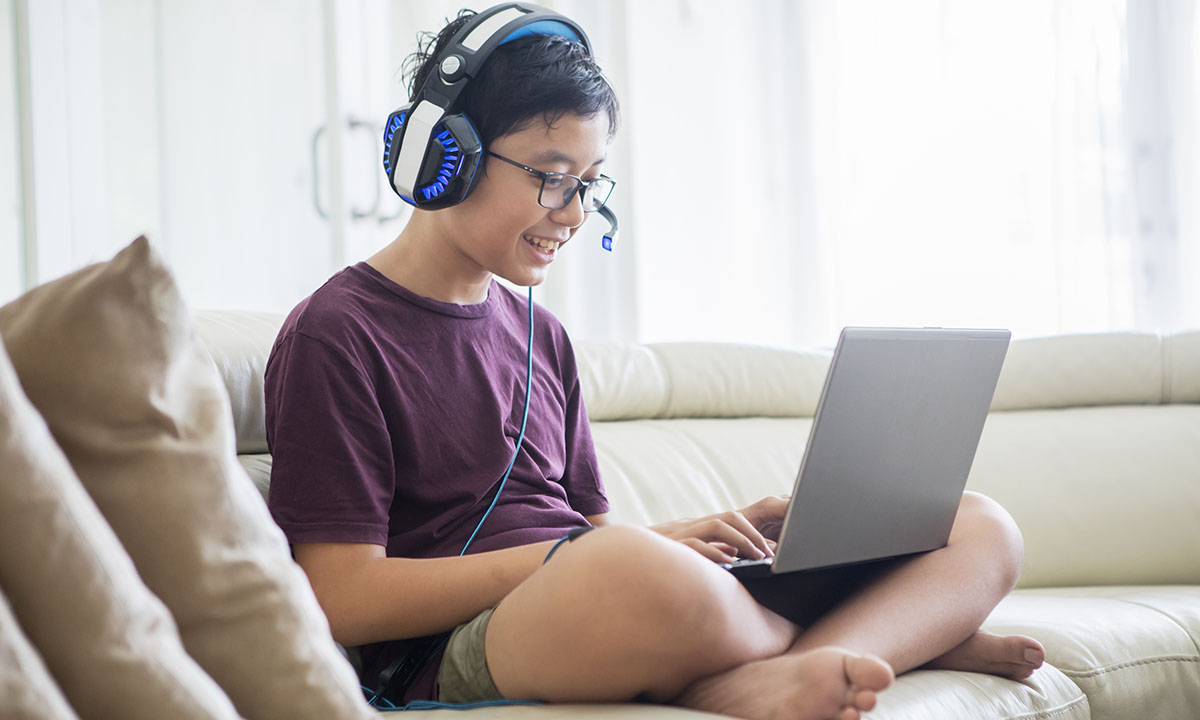
Online gaming is an area we hear regularly about from parents. They are genuinely concerned about what their children are experiencing and encountering when they are engaging in gaming online. So, what can parents do to help their kids stay safe if when they are gaming online?
When it comes to any game your child is playing the first thing to do is to check out what parental controls are available with the console and to activate these. Parental controls are of course important, but they are not a 100% safeguard for your child in relation to gaming. There is also a good chance that older children in particular may find ways around parental controls. It is also a good idea to talk to your child about the absolute importance of only gaming with people known to them. Obviously, this is an easier message to send to younger children. Teenagers like to push the boundaries and may well use gaming via a console to interact with strangers. This usually happens through a messaging system within the console. In some instances, this may purely be for the enjoyment and competitiveness of the game itself but there can be a more sinister side. Remind your teen of the importance of making smart decisions when they are gaming and to trust their initial instinct. If something doesn’t feel right about an interaction to trust that. Telling an adult that they know and trust about what they have experienced when online is also important. The most crucial aspect of all this communication is that your child knows that it is ok to come to you to discuss what they are experiencing when gaming.
Age limits on games and how to manage that where consoles are concerned is another challenge. Ultimately, age limits on games are linked to the content. The content of some games is just not suitable for children. You are the best judge of your child’s level of maturity. The content of many of the older age range games is graphic in all the meanings of the word. It’s a good idea to do some research on the content of a game before deciding whether or not your child has the maturity to handle the content. Talking to other parents about what they have seen or heard about content can be helpful. The Pan European Game Information (PEGI) age rating system exists to help parents make informed decisions about buying games. PEGI age labels appear on the front and back of games packaging. Additional ‘descriptors’ shown on the back of the packaging indicate the main reasons why a game has received a particular age rating. It’s a good idea to be particularly aware of the ‘online gameplay’ descriptor which indicates whether a game can be played online.
Remember the most important thing to do whenever a new game comes into your home is to have regular conversations with your child about the importance of having a balance in the use of tech and ultimately staying safe online!
Frequently Asked Questions (FAQs)
1. Why is Online Gaming a concern for parents?
Online Gaming is hugely popular among children and teens, but it can expose them to risks such as contact with strangers, inappropriate content, and unmoderated chat features. Parents are often concerned about who their child is interacting with and what they are experiencing while gaming.
2. Are parental controls enough to keep children safe when Online Gaming?
Parental controls are an important first step. Most consoles and devices offer built-in controls that allow parents to restrict content, manage screen time, and limit communication features. However, they are not a 100% safeguard. Older children may find ways around them, which is why open communication is equally important.
3. Should children only play Online Gaming with people they know?
Yes, whenever possible, children should only engage in Online Gaming with friends or people they know in real life. Multiplayer games often include messaging systems where strangers can make contact. Encouraging children to avoid interacting with unknown players reduces potential risks.
4. How can I talk to my teen about staying safe while Online Gaming?
Teens may push boundaries, so conversations should be calm and ongoing rather than reactive. Remind them to:
-
Trust their instincts if something feels wrong
-
Avoid sharing personal information
-
Speak to a trusted adult if they feel uncomfortable
-
Make smart, respectful decisions when interacting online
Most importantly, ensure they know they can come to you without fear of punishment.
5. How do age ratings work for Online Gaming?
The Pan European Game Information (PEGI) system helps parents understand whether a game is age-appropriate. PEGI age labels appear on the front and back of game packaging, while content descriptors explain why a game received a particular rating. The “online gameplay” descriptor is especially important, as it indicates whether a game includes online interaction.
6. How do I know if a game’s content is suitable for my child?
Age ratings provide guidance, but you are the best judge of your child’s maturity level. Research the game, watch gameplay videos, read reviews, and talk to other parents. Some games contain graphic violence or mature themes that may not be appropriate for younger players.
7. What are the main risks associated with Online Gaming?
Some of the most common risks include:
-
Contact with strangers
-
Inappropriate language or behaviour in chat features
-
Exposure to mature or graphic content
-
Pressure to spend money within games
Understanding these risks helps parents put appropriate boundaries in place.
8. How important is balance when it comes to Online Gaming?
Balance is essential. Online Gaming can be enjoyable and even beneficial when used appropriately, but it should not replace sleep, schoolwork, physical activity, or face-to-face interaction. Setting agreed time limits and encouraging offline activities helps maintain a healthy balance.
9. What is the most important step parents can take?
The most important step is maintaining regular, open conversations. Technology will continue to evolve, but strong communication ensures your child feels safe discussing their experiences. When children know they can talk openly, they are far more likely to share concerns about Online Gaming.
Explore Zeeko’s Home Page to discover our mission on the About Us Page, innovative Phone Blocking System, and engaging Phoenix Quest 10 programme. We provide Internet Safety Seminars, the Zeeko Report Card, and the Magical Leaders Choose Country initiative, alongside insights from our Digital Trend Report. Stay connected with us on Facebook and Instagram for updates.