

The internet is an essential part of modern education. From online research to digital classrooms, students rely on the internet every day. However, with these opportunities come risks — including cyberbullying, data theft, and exposure to inappropriate content. That’s why understanding internet safety rules is more important than ever.
By teaching students how to stay safe online, schools and parents can create a secure digital environment that supports learning while protecting wellbeing.<!-- Reuse the previously generated image of students with smartphones to illustrate digital distractions and safety needs -->
Why Internet Safety Rules Matter for Students?
Students today are growing up in a digital-first world. While they may be comfortable using technology, they are not always aware of the risks involved. Without proper guidance, they can easily fall victim to scams, privacy breaches, or harmful interactions.
Clear internet safety rules help students:
- Protect their personal information.
- Avoid online threats and scams.
- Develop responsible digital habits.
- Navigate social media safely.
- Build awareness of online risks.
Teaching these rules early ensures students develop lifelong digital responsibility.
Top Internet Safety Rules Every Student Should Follow
1. Never Share Personal Information Online
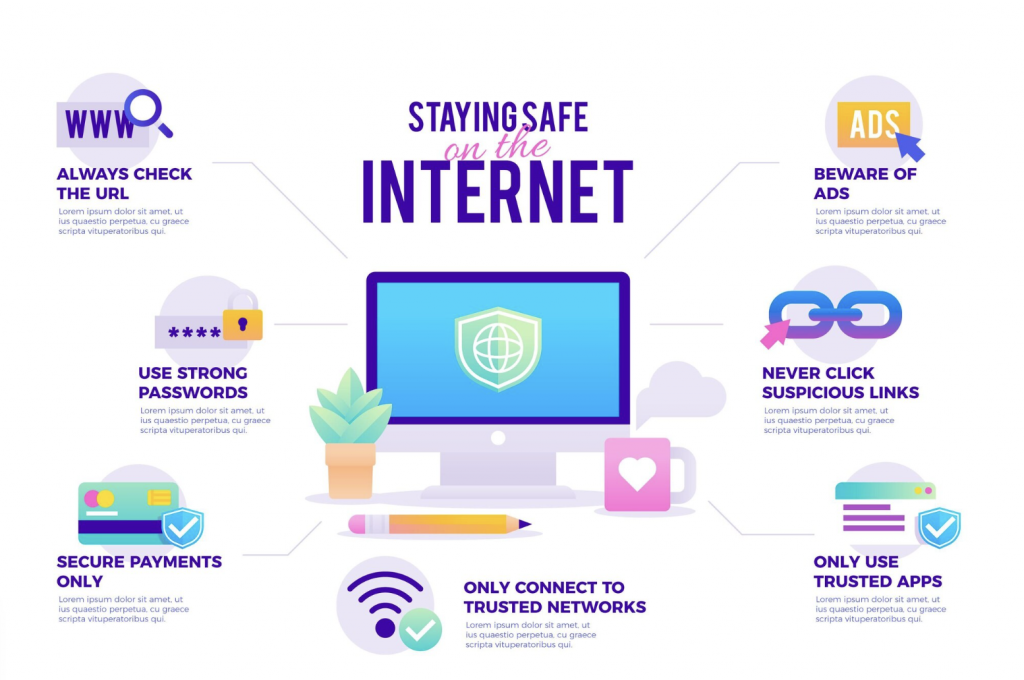
One of the most important internet safety rules is to never share personal details such as full name, home address, phone number, school name, or passwords. Even seemingly harmless information can be misused. Students should always think before sharing anything online.
2. Use Strong and Secure Passwords
Passwords are the first line of defence against cyber threats. Students should use a mix of letters, numbers, and symbols; avoid easy-to-guess passwords like birthdays; never share passwords with friends; and change them regularly. This is one of the simplest yet most effective digital safety rules.
3. Think Before You Click
Not everything online is safe. Suspicious links, emails, or pop-ups can lead to scams or malware. Key tips include avoiding unknown links, not downloading files from untrusted sources, and being cautious of messages asking for personal information. If something looks too good to be true, it probably is.
4. Be Careful on Social Media
Social media is a big part of student life, but it comes with risks. Students should keep profiles private, only accept friend requests from known people, avoid sharing location or personal updates publicly, and report suspicious behavior. These practices help prevent misuse of personal information.
5. Understand Cyberbullying and How to Respond
Cyberbullying is one of the most serious online risks students face, affecting mental health and wellbeing. Students should never engage with bullies, save evidence of harmful messages, block and report offenders, and speak to a trusted adult or teacher. Awareness is key to digital safety.
6. Only Use Trusted Websites
Students often use the internet for research, but not all sites are reliable. Stick to trusted educational websites, avoid those with excessive ads or pop-ups, and check credibility before sharing information. This ensures both safety and accurate learning.
7. Keep Devices Secure
Internet safety also involves device protection. Install updates regularly, use antivirus software, log out from shared devices, and avoid public Wi-Fi for sensitive activities. These steps help prevent hacking and data breaches.
8. Limit Screen Time and Stay Balanced
Excessive screen time impacts mental health, sleep, and academics. Encourage balance to stay focused on studies, maintain physical and mental wellbeing, and build offline relationships.
| Rule | Key Action | Benefit |
|---|---|---|
| Strong Passwords | Mix letters/numbers/symbols | Prevents unauthorized access |
| Think Before Clicking | Avoid suspicious links | Blocks malware and scams |
| Private Social Profiles | Limit to known friends | Protects privacy |
| Report Cyberbullying | Save evidence & tell adults | Stops harassment early |
The Role of Schools in Promoting Internet Safety
Schools play a crucial role in teaching internet safety rules, especially as students spend significant time online for education. Effective approaches include digital safety workshops, clear online behavior policies, classroom discussions on real-life scenarios, and encouraging open communication.
By integrating these rules into everyday learning, schools create safer digital environments.
How Parents Can Support Online Safety?
Parents are equally important in guiding safe internet use. They can set clear usage rules at home, monitor activity appropriately, encourage open conversations about online experiences, and educate themselves on digital risks.
Combining school and home efforts ensures consistent reinforcement of safety tips.
Building Responsible Digital Citizens
The goal is to empower students, not restrict them. When they understand responsible internet use, they become confident digital citizens who respect others online, protect their identity, make smart decisions, and use technology positively.
This foundation prepares them for academic success and future careers.
Final Thoughts
The internet offers incredible opportunities, but risks cannot be ignored. By teaching simple habits like protecting personal information, thinking before clicking, and practicing respectful behavior, schools and parents help students navigate safely.
In today’s digital age, safety is essential. Start these lessons early for a brighter, secure future.
Explore Zeeko’s Home Page to discover our mission on the About Us Page, innovative Phone Blocking System, and engaging Phoenix Quest 10 programme. We provide Internet Safety Seminars, the Zeeko Report Card, and the Magical Leaders Choose Country initiative, alongside insights from our Digital Trend Report. Stay connected with us on Facebook and Instagram for updates.