

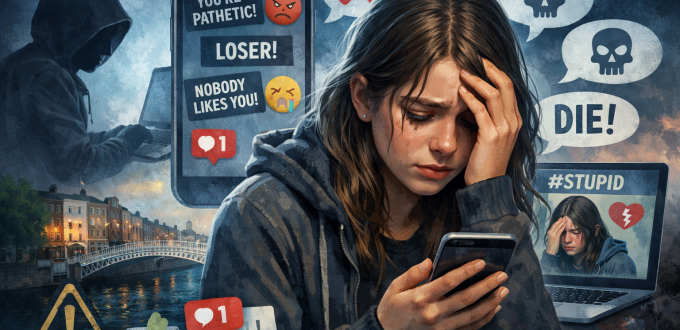
In today’s connected society, phones, tablets, and laptops are a normal part of everyday life. In Ireland, children, teenagers, and adults use the internet for school, work, socialising, shopping, and entertainment. While the digital world offers many benefits, it also comes with serious risks. One of the most worrying issues is cyberbullying in the digital world.
Cyberbullying is no longer a rare problem. It is growing rapidly and affecting people of all ages, especially teenagers. Unlike traditional bullying, cyberbullying does not stop when school ends or when someone goes home. It can happen anytime, anywhere, and often in ways that are difficult to escape.
This blog explains why cyberbullying is a growing problem, what makes it so dangerous, what cyberbullying can cause, and why it needs urgent attention in today’s digital society—especially here in Ireland.
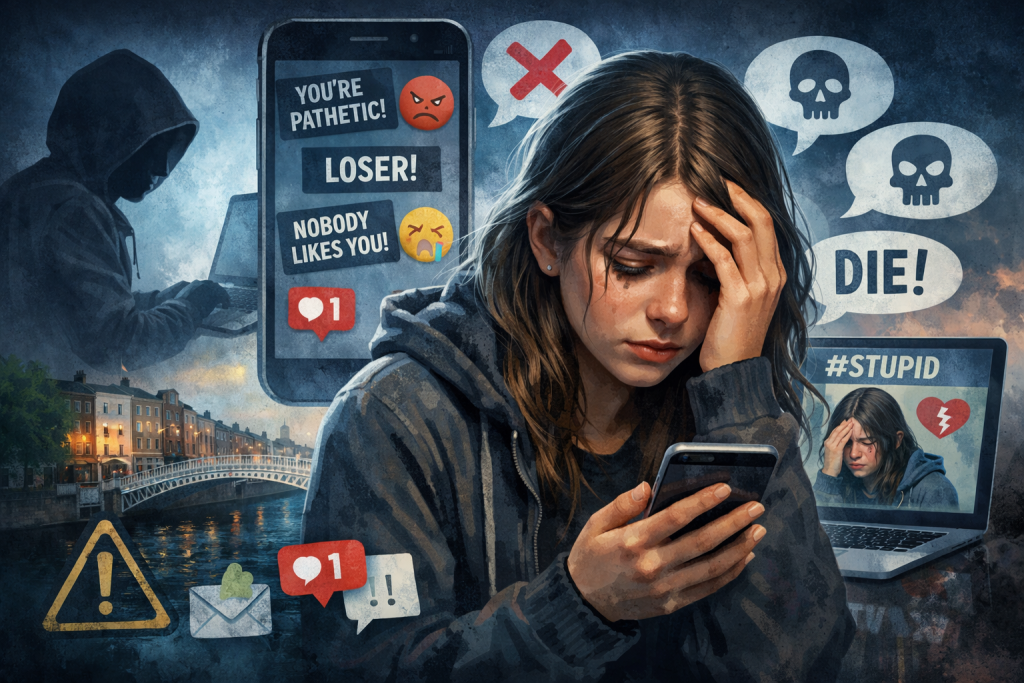
Understanding Cyberbullying in the Digital World
Cyberbullying refers to bullying that takes place through digital devices such as smartphones, computers, and tablets. It can happen on social media platforms, messaging apps, gaming platforms, forums, or even through emails and text messages.
Unlike face-to-face bullying, cyberbullying in the digital world often feels more intense. Hurtful messages, embarrassing photos, or false rumours can be shared instantly with large audiences. Once something is posted online, it can be very hard—or impossible—to remove completely.
Many people think cyberbullying is “just online drama,” but in reality, it can have long-lasting emotional, mental, and even legal consequences.
Why Cyberbullying Is a Problem in Today’s Society
One major reason why cyberbullying is a problem today is the way digital technology has become deeply woven into daily life. In Ireland, children are online from a young age, often before they fully understand the risks.
Here are some reasons why cyberbullying has become such a serious issue:
1. Constant Internet Access: Smartphones mean people are always connected. Bullying no longer stops after school hours. Victims may receive abusive messages late at night, during weekends, or even on holidays.
2. Online Anonymity: The internet allows bullies to hide behind fake profiles or usernames. This anonymity often encourages people to say things online that they would never say face to face.
3. Wide and Instant Reach: A single post can be shared with hundreds or thousands of people within seconds. This makes humiliation and emotional harm much more severe.
4. Lack of Awareness: Many young people do not fully understand the consequences of their online actions. They may think they are joking, unaware that their words can deeply hurt someone else.
All these factors combined make cyberbullying in the digital world a growing and dangerous problem.
When Can Cyberbullying Happen?
A common misconception is that cyberbullying only happens on social media. In reality, when cyberbullying can happen is far more broad. Cyberbullying can occur:
- On social media platforms like Instagram, Snapchat, TikTok, and Facebook
- In private messaging apps such as WhatsApp or Messenger
- During online gaming through chat features or voice chats
- In school-related group chats or forums
- Through emails or even shared photos and videos
Because digital communication is available 24/7, cyberbullying can happen at any time—day or night. This constant exposure can make victims feel trapped, anxious, and powerless.
Cyberbullying Effects on Mental and Emotional Health
One of the most serious aspects of cyberbullying is its impact on mental health. The cyberbullying effects can be both immediate and long-term. Victims may experience:
- Stress and anxiety
- Low self-esteem
- Feelings of shame or embarrassment
- Fear of checking their phone or going online
- Difficulty concentrating in school or work
In Ireland, schools and mental health organisations have reported increasing concerns about online bullying affecting young people’s emotional wellbeing. Over time, repeated online abuse can lead to depression and social withdrawal. Some victims stop participating in activities they once enjoyed, while others isolate themselves from friends and family.
What Cyberbullying can cause in the long run?
So, what cyberbullying can cause if it is not addressed? The long-term consequences can be severe:
- Ongoing mental health issues
- Loss of confidence and trust in others
- Academic or work performance problems
- Social isolation
- In extreme cases, self-harm or suicidal thoughts
These outcomes show why cyberbullying is not something that should ever be ignored or dismissed as harmless online behaviour.
Why Cyberbullying is dangerous for teenagers?
Teenagers are particularly vulnerable in the digital world. Understanding why cyberbullying is dangerous for teen users is crucial. Adolescence is a time when young people are forming their identity and self-worth. Online abuse during this stage can deeply affect how they see themselves. Here’s why teens are at higher risk:
- They spend more time online than adults
- Peer approval is extremely important during teenage years
- Emotional coping skills are still developing
- Social media comparisons can increase insecurity
For Irish teenagers, school life and online life are closely connected. A rumour or embarrassing image shared online can quickly spread into classrooms, making bullying feel inescapable.
The Role of Social Media in Cyberbullying
Social media platforms play a big role in the rise of cyberbullying in the digital world. Features such as likes, comments, shares, and follower counts can unintentionally encourage negative behaviour. Public posts can invite cruel comments, while private messages allow bullying to continue unseen by parents or teachers. Even deleting an app does not always help, as screenshots and shared content can continue circulating. While many platforms have reporting tools, victims often feel that action is slow or ineffective, adding to their sense of helplessness.
Can Cyberbullying be a crime in Ireland?
A common question is: can cyberbullying be a crime?
In Ireland, certain forms of cyberbullying can indeed be illegal. Harassment, threats, sharing intimate images without consent, and persistent abusive communication may fall under criminal law. Irish legislation recognises that online harassment can be just as harmful as offline harassment. Depending on the situation, consequences may include fines or legal action.
This legal aspect highlights that cyberbullying is not “just online behaviour”—it can have real-world consequences.
Why Cyberbullying is increasing in the digital age?
The growth of cyberbullying is closely linked to the rapid growth of technology. As new apps and platforms appear, so do new opportunities for misuse. Other reasons include:
- Increased screen time among children and teens
- Lack of digital education around empathy and responsibility
- Social pressure to always be online
- Difficulty monitoring private online spaces
Without proper guidance, many young people struggle to understand the impact of their digital actions.
The Impact on Families and Communities
Cyberbullying does not only affect individuals—it affects families, schools, and communities across Ireland. Parents often feel helpless when their child is targeted online. Teachers may struggle to manage issues that happen outside school hours but affect students during the day. Communities suffer when young people feel unsafe or unsupported. Open conversations, education, and awareness are essential to reduce the impact of cyberbullying in the digital world.
How awareness can help reduce Cyberbullying?
Education plays a powerful role in prevention. When people understand why cyberbullying is a problem, they are more likely to act responsibly online. Teaching empathy, kindness, and digital responsibility from a young age can help reduce harmful behaviour. Encouraging victims to speak up and seek support is equally important.
In Ireland, schools, parents, and communities all have a role to play in creating safer digital spaces.
Final Thoughts
Cyberbullying in the digital world is a growing problem that cannot be ignored. Its effects are real, harmful, and long-lasting—especially for teenagers. Understanding the cyberbullying effects, knowing when cyberbullying can happen, and recognising what cyberbullying can cause are vital steps toward prevention.
The digital world should be a place for connection and learning, not fear and harm. With awareness, education, and support, we can work together to reduce cyberbullying and protect future generations in Ireland.
Frequently Asked Questions (FAQs)
What is cyberbullying in the digital world?
Cyberbullying in the digital world refers to bullying that happens through online platforms such as social media, messaging apps, gaming platforms, and emails.
Why is cyberbullying a problem today?
Cyberbullying is a problem because it can happen anytime, reach large audiences quickly, and seriously harm mental and emotional health.
What cyberbullying effects should parents watch for?
Parents should watch for anxiety, mood changes, withdrawal, sleep problems, fear of using devices, and declining school performance.
When can cyberbullying happen?
Cyberbullying can happen at any time—day or night—whenever someone is online or using digital devices.
Why is cyberbullying dangerous for teen mental health?
Teenagers are still developing emotionally, making them more vulnerable to stress, low self-esteem, and long-term mental health issues caused by online bullying.
Can cyberbullying be a crime in Ireland?
Yes, certain forms of cyberbullying, such as harassment or sharing images without consent, can be considered criminal offences in Ireland.
What should someone do if they experience cyberbullying?
They should save evidence, block the bully, report the behaviour, and speak to a trusted adult, school authority, or support organisation.
Explore Zeeko’s Home Page to discover our mission on the About Us Page, innovative Phone Blocking System, and engaging Phoenix Quest 10 programme. We provide Internet Safety Seminars, the Zeeko Report Card, and the Magical Leaders Choose Country initiative, alongside insights from our Digital Trend Report. Stay connected with us on Facebook and Instagram for updates.