



Helping your Child Deal with Cyberbullying | Understanding a Growing Concern
In recent years, the digital lives of children and teenagers have become deeply intertwined with their everyday experiences—socially, emotionally, and academically. While technology undoubtedly offers tremendous benefits, it has also introduced new challenges. Helping your Child Deal with Cyberbullying, among the most concerning is the rise of cyberbullying.
There was a time when bullying was largely confined to face-to-face interactions, typically occurring in school corridors, playgrounds, or neighbourhoods. That environment, while difficult, had a natural boundary: once a child left a particular space, the bullying stopped. But with smartphones, social media, gaming platforms, and instant messaging, bullying can now follow a child home, persist throughout the evening, and spread quickly across digital networks.
Cyberbullying involves the use of technology to intimidate, harass, threaten, exclude, or embarrass others. This can happen through texting, messaging apps, comments on social media, sharing harmful images, or even targeted behaviour within online gaming environments.
For parents, teachers, and schools, the cyber element to bullying is becoming an increasing concern—and understandably so. The pace, visibility, and permanency of digital interactions create emotional pressure that can feel overwhelming for a young person.
This comprehensive guide on Helping your Child Deal with Cyberbullying has been created to support parents in understanding cyberbullying, recognising its signs, responding effectively, and fostering resilience in children. Drawing on insights from Zeeko’s extensive work with families and schools, our aim is to offer practical, evidence-based strategies that help create safer digital spaces for young people.
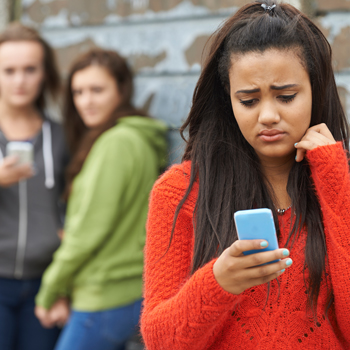
What Makes Cyberbullying Different?
While bullying in any form is harmful, cyberbullying has a set of characteristics that make it uniquely challenging for children and their families. Understanding these differences is a crucial first step in supporting your child effectively.
1. It Can Happen 24/7: Unlike traditional bullying, which often occurs during school hours, cyberbullying can happen at any time—day or night. Because children carry their devices with them, the harmful behaviour can feel constant and unavoidable.
2. It Can Be Anonymous: Some cyberbullies hide behind fake profiles or anonymous accounts, making it difficult for the victim or parents to identify who is responsible. This anonymity can increase fear and uncertainty.
3. It Spreads Quickly: Digital content can be shared rapidly, reaching a wide audience in seconds. A screenshot, video, or rumour can circulate beyond a child’s immediate peer group, which can feel humiliating and overwhelming.
4. It Leaves a Digital Footprint: Unlike spoken words, online interactions create evidence. While this makes the behaviour feel more permanent, it also means that incidents can be recorded and reported effectively.
5. Children May Struggle to Disconnect: For many young people, online spaces are closely linked to their friendships and social identity. Asking them to stop using a device is often not a simple solution—it can feel like losing their social world.
Understanding these nuances helps parents respond with greater empathy and clarity.
The Importance of Communication
At Zeeko, one message consistently emerges from our work with schools, parents, and children:
An open, ongoing communication style is the foundation of digital safety.
Children who feel comfortable discussing their online lives with trusted adults are far more likely to seek support if something goes wrong. This openness does not happen overnight; it develops gradually through consistent, judgment-free conversations.
1 Building Digital Trust: Here are ways to strengthen communication around online activity:
-
Start early – The younger children are when you begin talking about online behaviour, the easier it is to maintain open dialogue.
-
Make conversations regular – Treat digital check-ins like discussions about school or friendships.
-
Stay curious, not critical – Asking open questions encourages children to share.
-
Listen more than you lecture – Young people respond best when they feel heard, not judged.
-
Avoid panic reactions – Even when your child shares worrying information, staying calm helps them feel safe.
2. Spotting the Signs When They Don’t Speak Up: Some children will not immediately tell a parent they are experiencing cyberbullying. They may feel embarrassed, afraid, or worried about losing device privileges.
Signs might include:
-
Withdrawal from friends or activities
-
Anxiety about messages or notifications
-
Reluctance to use their phone or suddenly overusing it
-
Trouble sleeping
-
Changes in mood or appetite
-
Declining school performance
Often, parents learn of the problem from another parent, a teacher, or the school. When that happens, your response matters enormously.
Responding When You Discover Cyberbullying
If you become aware that your child is experiencing cyberbullying, your immediate steps should be supportive, calm, and practical. How you respond can shape your child’s sense of safety and resilience going forward.
1. Stay Calm and Listen: Children need reassurance first. Your initial reaction should communicate:
-
“You’re not alone.”
-
“You did the right thing by telling me.”
-
“We will handle this together.”
-
“This is not your fault.”
Avoid blaming or questioning your child’s choices (e.g., “Why didn’t you tell me sooner?” or “Why did you respond to the messages?”). Focus on their feelings and what they need.
2. Gather and Preserve Evidence: Do not delete messages, posts, or comments.
Keep:
-
Screenshots
-
Messages
-
Emails
-
Voice notes
-
Username information
-
Dates and times
This evidence is valuable if the behaviour needs to be reported to the school, platform, or authorities.
3. Report to Platforms or Service Providers: Depending on the behaviour, you may need to:
-
Report the content to the social media platform (all major platforms have reporting tools).
-
Block or mute the offending user.
-
Contact your internet service provider.
-
Contact your mobile network provider if bullying occurs via calls or texts.
These steps help reduce exposure to harmful content.
4. Review Safety and Privacy Settings: It is an appropriate time to check:
-
Who can message your child
-
Who can view their posts
-
Whether location sharing is enabled
-
Friend and follower lists
-
In-app parental controls
-
Device-level safety features
Small adjustments can significantly reduce risk.
5. Teach STOP, BLOCK, TELL: This core Zeeko safety strategy remains one of the most effective responses to cyberbullying:
-
STOP – Do not respond to or engage with the bully.
-
BLOCK – Block the person or group causing harm.
-
TELL – Inform a trusted adult immediately.
It is a simple framework children can remember, especially during stressful situations.
Involving the School
Cyberbullying does not always happen among school peers, but when it does, it is essential to involve the school promptly. Schools increasingly recognise the impact of online behaviour on student wellbeing.
1. Why Schools Need to Know: Informing the school helps:
-
Monitor social dynamics
-
Prevent escalation
-
Offer pastoral support
-
Implement relevant anti-bullying policies
-
Ensure consistency between home and school responses
Even if the bullying occurs outside school hours, the emotional impact carries into the school day.
2. School Policies That Help: Most schools now have:
-
Anti-bullying policies including a cyberbullying section
-
Acceptable Use Policies (AUPs) guiding device and internet use
-
Pastoral care or wellbeing programmes supporting affected students
-
Guidelines aligned with national policies such as the Anti-Bullying Procedures for Primary and Post-Primary Schools (Ireland)
These policies provide a structured, supportive framework for responding to issues.
3. Working Collaboratively: Parents and schools achieve the best outcomes when they work together. All adults surrounding the child—teachers, principals, parents, and other family members—should aim to create a unified plan.
This collaboration reassures children that they are supported and protected.
Why Some Children Don’t Tell Right Away?
Many parents wonder why children hide cyberbullying. There are several reasons:
-
Fear of losing device access
-
Worry about causing parental distress
-
Embarrassment or shame
-
Belief they can handle it themselves
-
Fear of retaliation
-
Loyalty to peers or social groups
Understanding these reasons helps parents avoid unintentional reactions that shut down communication.
Emotional Impact of Cyberbullying
Cyberbullying can affect a child’s emotional, social, and academic wellbeing. Research shows that victims may experience:
-
Anxiety
-
Depression
-
Reduced self-esteem
-
Feelings of isolation
-
Academic decline
-
Trouble concentrating
-
Fear of social interactions
The shame or embarrassment may compound these feelings, making early intervention vital.
Helping Your Child Heal and Build Resilience
Addressing immediate behaviour is important, but long-term support is equally crucial.
1. Encourage Offline Breaks: Digital breaks allow children to reset emotionally. They also teach an important concept: Technology has an “off switch.” Being able to step back from the online world is an essential skill young people will use throughout their lives.
2. Reinforce Positive Social Networks: Support healthy friendships and activities that build confidence, such as:
-
Sports
-
Arts
-
Clubs
-
Community groups
-
Family gatherings
Positive offline experiences help counterbalance digital stress.
3. Teach Digital Resilience: Digital resilience helps children navigate online challenges with confidence. It includes:
-
Knowing how to respond to negative behaviour
-
Problem-solving when something goes wrong
-
Understanding privacy
-
Recognising when to seek help
Parents can model resilient behaviours through calm responses and problem-solving conversations, Helping your Child Deal with Cyberbullying.
4. Seek Additional Support If Needed: If your child is experiencing ongoing distress, consider:
-
Speaking with a school counsellor
-
Consulting a mental health professional
-
Accessing community support services
Early emotional support prevents long-term impacts.
Practical Advice from National Authorities
Just recently, the Garda Síochána released a video offering guidance on Helping your Child Deal with Cyberbullying. National authorities regularly publish resources that help parents understand:
-
How to report online abuse
-
Legal considerations around harassment
-
Steps to document incidents
-
Support pathways
These resources can strengthen parental confidence and provide up-to-date advice.
Preventing Cyberbullying Before It Starts
While not all cyberbullying can be prevented, proactive steps significantly reduce risk.
1. Set Clear Boundaries and Expectations: Establish shared family guidelines about:
-
Screen time
-
Appropriate apps
-
Social media use
-
Password security
-
Who your child can communicate with online
-
What information should never be shared
A family digital agreement can make expectations explicit.
2. Practice Digital Literacy Together: Teach your child to:
-
Think critically about what they see online
-
Understand online reputations
-
Recognise manipulation or peer pressure
-
Spot risky behaviour
-
Identify trustworthy sources
Digital literacy empowers children to navigate online environments responsibly.
3. Encourage Kindness and Empathy Online: Positive behaviour reduces harm. Reinforce:
-
Respectful communication
-
Pausing before posting
-
Considering how messages might feel to others
-
Avoiding exclusionary behaviour in group chats or games
Children model what they see—your digital behaviour matters too.
Building a Culture of Safety
Creating a safe digital environment requires ongoing effort from families, schools, communities, and society at large. Cyberbullying is not merely a technological issue—it is a behavioural and emotional one.
1. What Children Need to Feel Safe: They need to know:
-
They will be believed
-
They won’t be blamed
-
Adults will work together
-
The situation can be resolved
-
Their digital life matters as much as their offline life
These assurances form the basis of trust.
2. The Role of Parents: Parents do not need to be technology experts. You simply need to be:
-
Present
-
Approachable
-
Calm
-
Informed
-
Supportive
Children need connection more than perfection.
Conclusion: You Are Your Child’s Most Important Safety Net
Cyberbullying is a deeply distressing experience, but it is not one your child has to face alone. With open communication, consistent guidance, and collaboration with schools and support networks, children can navigate the digital world safely and confidently.
What matters most is that your child knows:
-
They are not alone
-
You believe them
-
You are working together
-
Adults will protect them
-
Online challenges can be solved
Helping your Child Deal with Cyberbullying, As technology continues to evolve, so too must our understanding, strategies, and support systems. By nurturing communication, education, and resilience, we give young people the tools to thrive both online and offline. Follow Zeeko Education on Facebook!
Frequently Asked Questions (FAQs) About Cyberbullying
1. What exactly is cyberbullying?
Cyberbullying is bullying that takes place through digital devices such as phones, tablets, or computers. It includes harmful behaviour such as sending hurtful messages, posting embarrassing content, excluding others online, or harassing someone through social media, messaging apps, gaming platforms, or email.
2. How can I tell if my child is being cyberbullied?
Children may not always tell an adult, but common signs include sudden changes in mood, reluctance to use their device, anxiety when notifications appear, withdrawal from friends, trouble sleeping, or falling school performance. Sometimes parents learn about the issue from teachers or other parents.
3. Should I take away my child’s phone if they are being cyberbullied?
No. Although it might feel like the quickest solution, removing a device can make a child feel punished or isolated. Instead, focus on supporting your child emotionally, blocking harmful users, and reviewing safety and privacy settings together.
4. What should my child do if they receive upsetting messages?
Teach them the simple and effective Zeeko approach: STOP, BLOCK, TELL.
-
STOP engaging with the bully.
-
BLOCK the person or account.
-
TELL a trusted adult.
Encourage them not to respond, as replying can escalate the situation.
5. Should I report cyberbullying to my child’s school?
Yes, particularly if the bullying involves other students. Schools have anti-bullying and acceptable use policies that guide their response. Even if the bullying happens outside school hours, the emotional impact typically affects the school day, so schools should be informed.
6. How do I report cyberbullying to a platform or provider?
Most social media and messaging platforms have built-in reporting tools for harassment, impersonation, and harmful behaviour. Parents can also contact their internet service provider or mobile phone network if bullying occurs through calls or texts. Keeping evidence such as screenshots is important.
7. What evidence should I keep?
Save screenshots, message logs, usernames, timestamps, images, voice notes, emails, and any reports submitted to platforms. This record helps if you need to escalate the issue to the school, service provider, or authorities.
8. Can cyberbullying be a criminal offence?
In some situations, yes. Threatening behaviour, harassment, sharing private images, impersonation, and other serious acts may breach the law. If you believe your child is at risk of harm or illegal behaviour is occurring, you should contact national authorities such as the Garda Síochána.
9. How can I help my child recover emotionally?
Offer reassurance, stay calm, and listen without judgment. Encourage offline breaks, support positive friendships, and help them engage in activities that build confidence. If the situation is affecting their wellbeing, consider seeking support from a counsellor or mental health professional.
10. How can I prevent cyberbullying in the future?
Building digital resilience is key. Maintain open communication, set family guidelines for online behaviour, review privacy settings regularly, and model positive digital habits. Encourage children to think critically about what they post and to come to you early if something online worries them.