


Digital Safety | A Complete Guide to Staying Safe in the Online World
In today’s connected world, the internet has become a part of our daily lives. From online classes and work meetings to shopping, banking, and social media, we depend heavily on digital platforms. While technology brings convenience, it also introduces risks. This is why digital safety is more important than ever.
Digital safety means protecting yourself, your personal information, and your devices from online threats like hacking, scams, cyberbullying, and data theft. Whether you are an adult, a senior citizen, or a child, understanding safety can help you use the internet confidently and responsibly.
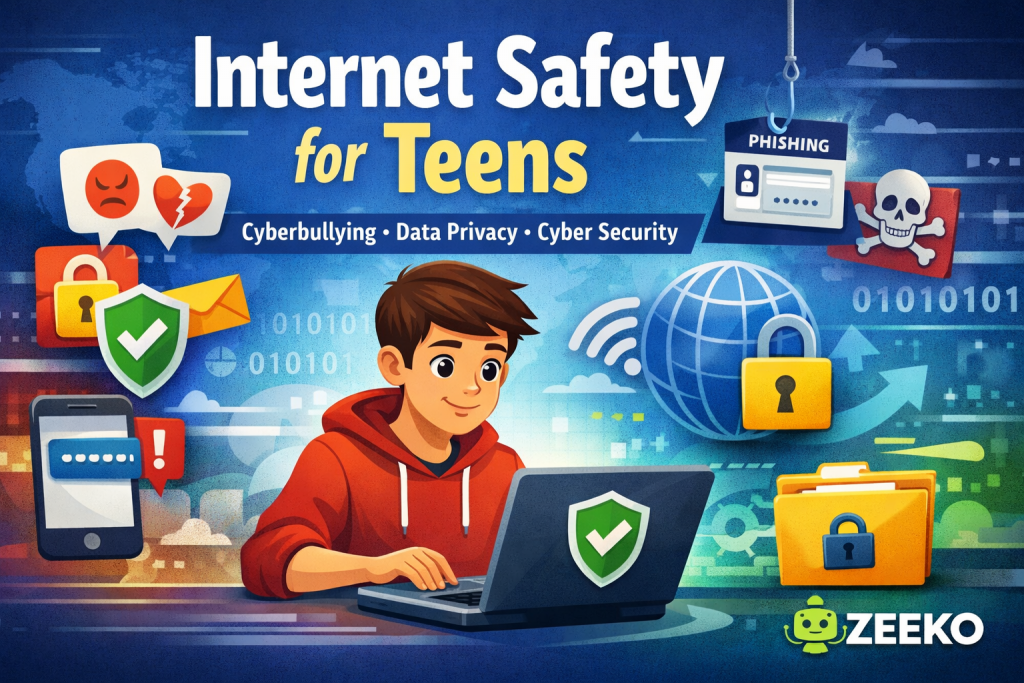
In this blog, we’ll explain what digital safety is, why it matters, digital safety for kids, practical digital safety tips, and the importance of awareness on cyber security.
What is Digital Safety?
It refers to the practices and precautions taken to protect people and their data while using digital devices and the internet. This includes smartphones, computers, tablets, apps, websites, and online services.
Digital safety focuses on:
- Protecting personal information
- Avoiding online scams and fraud
- Staying safe on social media
- Preventing cyber threats like malware and hacking
- Creating a secure digital environment for children
Simply put, digital safety helps you stay safe while being online.
Why digital safety is important today?
The number of internet users is growing every day, and so are online threats. Cybercriminals are becoming smarter and finding new ways to steal data, money, and identities.
Here’s why digital safety is essential:
- Personal data like Aadhaar numbers, bank details, and passwords can be misused
- Children are exposed to unsafe content and online predators
- Fake websites and apps can steal sensitive information
- Cyberbullying can harm mental health
- Businesses and individuals can face financial losses
Practicing it reduces these risks and helps create a safer online environment for everyone.
Digital Safety for Kids: Why It Needs Special Attention?
Children are among the most active internet users today. They use smartphones, tablets, and laptops for games, education, videos, and social media. However, they often don’t understand online risks, making digital safety for kids extremely important.
Common Online Risks for Kids
- Exposure to inappropriate content
- Cyberbullying and online harassment
- Online strangers pretending to be friends
- Sharing personal information unknowingly
- Addiction to screens and games
How Parents Can Improve Safety for Kids?
- Talk openly about internet use and online dangers
- Set screen time limits
- Use parental control tools and safe search settings
- Teach kids not to share personal details online
- Encourage them to report anything suspicious or uncomfortable
When children are guided properly, the internet can become a safe and educational space for them.
Safety Tips Everyone Should Follow
Here are some easy and practical safety tips that anyone can follow, regardless of age or technical knowledge.
1. Use Strong and Unique Passwords: Avoid simple passwords like “123456” or “password.” Use a mix of letters, numbers, and symbols, and don’t use the same password everywhere.
2. Enable Two-Factor Authentication (2FA): Two-factor authentication adds an extra layer of security by requiring a code sent to your phone or email.
3. Be Careful with Links and Emails: Do not click on unknown links or open suspicious emails. Many scams look real but are designed to steal information.
4. Keep Devices Updated: Regular updates fix security issues. Always update your phone, apps, and computer software.
5. Limit Sharing on Social Media: Avoid sharing personal details like phone numbers, addresses, travel plans, or financial information publicly.
6. Use Secure Wi-Fi Networks: Avoid using public Wi-Fi for banking or sensitive work. If needed, use a trusted VPN.
7. Install Antivirus and Security Software: Security tools help detect and block malware, viruses, and phishing attacks.
Following these safety tips can significantly reduce online risks.
Awareness on Cyber Security: A Must for Everyone
Awareness on cyber security is the foundation of digital safety. Many online attacks succeed because people are unaware of basic safety practices.
Cyber security awareness helps people:
- Identify online threats
- Understand safe browsing habits
- Recognize fake websites and scams
- Protect devices and data
- Respond quickly to cyber incidents
Schools, offices, and families should regularly discuss cyber security topics. Awareness programs, workshops, and online campaigns play a major role in educating people about safety.
Digital Safety at Home, School, and Workplace
At Home
- Secure home Wi-Fi with strong passwords
- Educate family members about online scams
- Monitor children’s online activities
At School
- Teach students about digital behavior
- Encourage responsible internet use
- Promote it for kids through workshops
At Workplace
- Train employees on cyber security awareness
- Use secure systems and networks
- Protect company data from cyber threats
It works best when everyone plays a role.
The Future of Digital Safety
As technology evolves, so will cyber threats. Artificial intelligence, smart devices, and online platforms bring new challenges. This makes it an ongoing responsibility, not a one-time effort.
Building strong awareness on cyber security and following safety tips will help individuals and communities stay protected in the long run.
FAQs
1. What is digital safety in simple words?
It means staying safe while using the internet, smartphones, computers, and digital apps by protecting personal information and avoiding online threats.
2. Why is digital safety important for kids?
Digital safety for kids is important because children may not understand online risks like cyberbullying, unsafe content, or strangers. Proper guidance helps keep them safe.
3. What are the most important digital safety tips?
Using strong passwords, avoiding suspicious links, keeping devices updated, and limiting personal information sharing are some key safety tips.
4. How can parents improve digital safety for kids?
Parents can set screen limits, use parental controls, talk openly about online dangers, and teach children safe internet habits.
5. What is awareness on cyber security?
Awareness on cyber security means educating people about online threats, safe practices, and how to protect themselves from cyber attacks.
6. Can digital safety prevent online scams?
Yes, following digital safety practices and being aware of cyber security threats can greatly reduce the chances of falling for online scams.
Explore Zeeko’s Home Page to discover our mission on the About Us Page, innovative Phone Blocking System, and engaging Phoenix Quest 10 programme. We provide Internet Safety Seminars, the Zeeko Report Card, and the Magical Leaders Choose Country initiative, alongside insights from our Digital Trend Report. Stay connected with us on Facebook and Instagram for updates.