


At Zeeko, we always start any presentation we make by saying that the internet is a fantastic resource, and it really is! Our internet safety seminars are the leading seminars in Ireland, having attended hundreds of Irish schools throughout the years. Teaching both children and parents how to navigate the internet safely is really important to us. The internet can also be an amazing educational resource for children. In this blog we are going to explore whether to allow students to use the internet for homework or not.
It’s hard to deny the importance of building digital skills. However, computers are not just productivity machines, they are also portals to distraction. How can we confidently trust that students can use the internet for homework and not be distracted by social media, online games and any other enticing popups that we are faced with when we search online.

Is it genuine research or cheating?
Before allowing your child to use the internet, establish whether it is a homework requirement or if they are trying to cheat and make it easier. It is important that your child doesn’t come to rely on the web to provide them with all the answers – encourage them to try to work out an issue before resorting to Google or other search browsers. Encourage your child to look for answers in lots of different ways, for example in a book or asking someone with more experience. Make sure that they understand that reading the answer is not enough. They need to understand it fully so that it can be properly remembered should they be in an exam situation.
Establish online ground rules
Establishing ground rules is essential. Children and students need a routine. Having specific times where they are allowed to use their devices provides structure and also something to look forward to. It also gives you, as a parent the peace of mind of knowing exactly when your child is on a device, making it easier to monitor and control. Ensure that when the internet is being used for homework that is all it is being used for and there are separate times that the internet can be used for fun and downtime. Make sure these rules are clear and fair. Often, how children behave or are allowed to behave at home or in school can reflect how they behave online. Having learned discipline at home, will help them be disciplined when using the internet for homework.
Develop their online strengths
Using the internet for homework can help develop children's online strengths and help set them up for success in the future. The internet is playing an ever more crucial role in education, not only at the university level but down to secondary and primary level too. By training your children in how to use the internet to properly research information, seek out credible information and develop media literacy, you will set them up for a lifetime of successful learning.
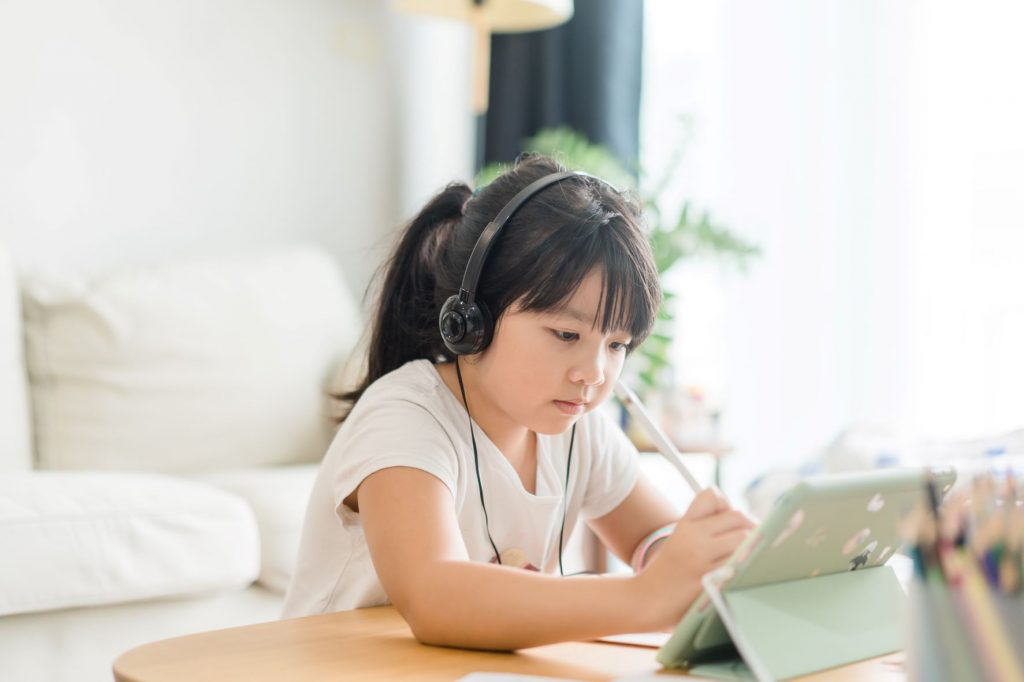
Here are some dos and don’ts for internet use for homework
Do
Help your children with homework and or projects where they are using the internet. This can be a great way to see how your child is doing academically, while still having fun. When children work on projects, they often don’t feel the same pressure as if they were preparing for a test or completing a standard piece of homework. This means that they can be more relaxed and be learning more as a result!
Ask for advice. Link in with your child’s teacher or some schools have a teacher who has been given specific responsibility for ICT within the school, they will be able to offer some guidance on the best websites to use and may also be in a position to know areas that your child needs to focus on if they are having difficulty with a particular subject.
3. Do encourage your child to use what they find out via the internet as a starting point. Communicate to them the importance of using their own ideas, their imagination and putting forward their own point of view.
Don’t
Don’t panic! If your child says they have a project to do for school and want to use the internet to do it. If you’re confident about using the internet as an educational tool your child will be too.
Don’t forget to apply the same principles you do to homework to doing projects online. If you feel your child is spending too long on the internet doing the research element of a project, encourage them to move on to another piece of homework and come back to the project later.
3. Don’t feel under pressure to allow your child to constantly use the internet for homework or projects. It is important that your child sees the internet as only one means of doing research and that there are many other ways to discover the answers to the questions they are asked!

Zeeko Internet Safety Seminars
As there is so much information surrounding the internet and how to be safe online, we understand that sometimes it can be overwhelming. Zeeko Education provides Internet Safety training both virtually and on-site to suit every school’s needs. Some of our packages also include parent seminars to ensure you are up to date with the most relevant information for your child, their class, and their age group. Read more on our seminars here or forward this link to your child's teacher.
Frequently Asked Questions
1. Should students use the internet for homework?
Yes — when used correctly, the internet can be a fantastic educational resource. It helps students build digital skills, research abilities, and media literacy. However, parents should ensure that when children use the internet for homework, it is structured, purposeful, and not simply a source of distraction.
2. Is using the internet for homework considered cheating?
Not necessarily. Using online resources for research is different from copying answers. If a child uses the internet to understand a topic, explore ideas, or gather information, that is genuine research. However, relying on Google to provide direct answers without understanding the material can become a form of academic dishonesty. Encourage your child to understand information fully rather than simply reading or copying it.
3. How can parents prevent distractions when children use the internet for homework?
Computers and devices can be portals to distraction. To minimise this:
- Set specific homework times
- Keep devices in shared family spaces
- Separate “homework time” from “free time” online
- Turn off unnecessary notifications
- Encourage short, focused study sessions
Clear structure helps children stay disciplined and focused.
4. Should there be rules around using the internet for homework?
Absolutely. Establishing online ground rules is essential. Children thrive on routine, so setting clear times and expectations around device use provides structure and reassurance. When children know that the internet is being used strictly for homework during certain hours, it helps create healthy habits.
5. How can parents ensure their child is finding credible information online?
When students use the internet for homework, they should be taught how to:
- Check the credibility of websites
- Compare multiple sources
- Avoid unreliable or biased content
- Understand the difference between fact and opinion
If unsure, parents can consult teachers or the school’s ICT coordinator for recommended educational websites.
6. Is it important for children to develop digital research skills?
Yes. The internet plays a crucial role in modern education at primary, secondary, and university level. Teaching children how to properly research, evaluate information, and develop media literacy will support lifelong learning and future career skills.
7. How involved should parents be when children use the internet for homework?
Parental involvement can be very positive. Helping with projects allows you to:
- Monitor how your child researches
- Identify strengths and areas for improvement
- Make learning more engaging and collaborative
Homework projects often feel less stressful than exam preparation, making them great opportunities for guided learning.
8. What if my child spends too long researching online?
If research time becomes excessive, encourage them to move on to another task and return later. The same principles that apply to traditional homework should apply when children use the internet for homework — balance, focus, and time management are key.
9. Should the internet be the main source of homework research?
No. It should be one of many tools. Encourage children to use books, ask teachers questions, and seek advice from knowledgeable adults. When students see the internet as one research tool among many, they develop stronger independent thinking skills.
10. What are the benefits of allowing students to use the internet for homework?
When managed correctly, using the internet for homework can:
- Improve digital literacy
- Strengthen research and critical thinking skills
- Encourage independent learning
- Prepare students for modern education environments
- Build confidence in navigating online information safely
11. What should parents avoid when deciding whether to allow internet use for homework?
- Don’t panic if your child needs to go online for a project.
- Don’t assume all internet use equals distraction.
- Don’t feel pressured to allow unlimited access.
Confidence, structure, and communication are the most important factors.
12. Where can parents get guidance on safe internet use for homework?
If you feel unsure about how to manage your child’s internet use, Zeeko Education provides Internet Safety training for schools and parents. These seminars offer practical advice tailored to specific age groups and help families feel confident about allowing children to use the internet for homework safely and effectively.
Explore Zeeko’s Home Page to discover our mission on the About Us Page, innovative Phone Blocking System, and engaging Phoenix Quest 10 programme. We provide Internet Safety Seminars, the Zeeko Report Card, and the Magical Leaders Choose Country initiative, alongside insights from our Digital Trend Report. Stay connected with us on Facebook and Instagram for updates.