

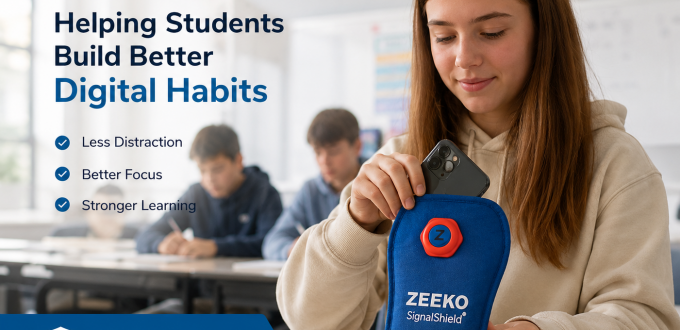
Smartphones have become an essential part of students' daily lives. They help with learning, communication, research, and entertainment. However, when phone use becomes excessive, it can begin to affect a student's concentration, sleep, emotional wellbeing, and academic performance.
For parents and educators, recognising smartphone addiction students signs early is one of the best ways to prevent long-term problems. Many children don't realise how much time they spend on their devices until it begins to interfere with school, family life, or friendships.
Research from organisations such as UNESCO, UNICEF, and the American Academy of Pediatrics (AAP) highlights the importance of balanced technology use. The goal is not to remove smartphones completely but to teach young people how to use them responsibly.
In this guide, you'll learn how to identify the warning signs of smartphone addiction, understand its causes, and discover practical strategies that families and schools can use to encourage healthier digital habits.
Quick Answer
What are the signs of smartphone addiction in students?
Students showing signs of smartphone addiction often check their phones constantly, struggle to focus in class, become anxious without their devices, lose sleep due to late-night screen use, and spend less time with family or friends. Recognising these behaviours early helps parents and teachers encourage healthier screen habits before they affect learning and wellbeing.
Looking to reduce classroom distractions and manage student phone usage effectively?
Explore Zeeko’s Phone Pouch Solution designed specifically for schools.
What Is Smartphone Addiction?
Smartphone addiction is a form of behavioural dependency where a person finds it difficult to control their phone use, even when it negatively affects their daily life.
Unlike using a phone for homework or educational research, smartphone addiction involves compulsive behaviours such as constantly checking notifications, endlessly scrolling social media, or feeling uncomfortable when the phone is unavailable.
Students are particularly vulnerable because smartphones are central to their education, friendships, and entertainment. Notifications, social media feeds, online games, and short-form videos are all designed to capture attention, making it easy to spend more time on a device than intended.
A common smartphone addiction symptom isn't simply spending several hours on a phone—it's when excessive use starts affecting important areas of life, including:
- Academic performance
- Sleep quality
- Mental wellbeing
- Family relationships
- Physical health
- Ability to concentrate
When phone use consistently interferes with these areas, it's time to build healthier digital routines.
Top Smartphone Addiction Students Signs
Every student enjoys using technology, but certain behaviours may indicate that smartphone use is becoming unhealthy. Here are the most common warning signs parents and teachers should watch for.
1. Constantly Checking the Phone
Students repeatedly unlock their phones, even when there are no new messages or notifications. This habit often becomes automatic and interrupts conversations, homework, and classroom learning.
2. Difficulty Concentrating
One of the clearest smartphone addiction students signs is a reduced ability to stay focused.
Students may:
- Lose attention during lessons
- Switch constantly between homework and social media
- Forget instructions
- Take much longer to complete simple tasks
Research suggests that frequent interruptions reduce both concentration and memory retention.
3. Anxiety Without the Phone
Some students feel stressed or restless when they cannot access their phones. This may happen if the battery dies, the device is left at home, or internet access is unavailable.
This behaviour is often linked to the Fear of Missing Out (FOMO), where students worry about missing conversations or updates from friends.
4. Poor Sleep Habits
Late-night scrolling, gaming, or messaging can delay bedtime and reduce sleep quality.
Warning signs include:
- Staying awake long after bedtime
- Feeling tired at school
- Waking up to check notifications
- Struggling to get up in the morning
Poor sleep affects learning, emotional regulation, and overall health.
5. Declining Academic Performance
Excessive smartphone use can reduce study time and make it harder for students to stay engaged during lessons.
Teachers and parents may notice:
- Missed homework
- Falling grades
- Reduced classroom participation
- Poor organisation
- Frequent distractions while studying
6. Mood Swings and Irritability
Students who become frustrated or upset when asked to put their phone away may be developing an unhealthy dependence on their device.
Some children also become anxious or withdrawn if they cannot immediately respond to messages or access social media.
7. Losing Interest in Offline Activities
When smartphones replace hobbies, sports, reading, or family time, it may be a sign that digital activities are becoming a priority over real-life experiences.
Students may spend most of their free time online instead of participating in activities they once enjoyed.
8. Excessive Social Media Use
Many teenagers spend significant time on platforms such as Instagram, TikTok, Snapchat, or YouTube. While social media can help people stay connected, constantly checking feeds or comparing themselves with others can affect self-esteem and increase screen time.
Common Smartphone Addiction Symptoms
The signs of smartphone addiction are often visible, while symptoms describe how excessive phone use affects a student's wellbeing.
Emotional Symptoms
- Anxiety without the phone
- Irritability when screen time is limited
- Fear of missing out (FOMO)
- Mood swings
- Stress caused by constant notifications
Behavioural Symptoms
- Compulsive phone checking
- Using the phone during meals
- Difficulty reducing screen time
- Ignoring responsibilities
- Late-night scrolling
Physical Symptoms
- Eye strain
- Headaches
- Neck and shoulder pain
- Poor posture
- Sleep deprivation
Academic Symptoms
- Difficulty concentrating
- Lower grades
- Missed assignments
- Reduced classroom participation
- Poor memory during lessons
Signs vs Symptoms of Smartphone Addiction
| Warning Signs | Common Symptoms |
| Constant phone checking | Anxiety without the phone |
| Excessive social media use | Mood swings |
| Declining grades | Poor concentration |
| Staying up late on the phone | Sleep deprivation |
| Avoiding family activities | Social withdrawal |
| Losing interest in hobbies | Reduced motivation |
What Causes Smartphone Addiction?
Smartphone addiction doesn't happen overnight. It usually develops because of several psychological and environmental factors working together.
Dopamine and Instant Rewards
Every notification, message, or "like" triggers a small reward in the brain. Over time, students begin checking their phones more frequently in anticipation of that reward.
Social Media
Infinite scrolling, personalised recommendations, and autoplay videos are designed to keep users engaged for longer. This makes it easy to lose track of time.
Fear of Missing Out (FOMO)
Many students worry about missing conversations, trends, or social updates if they are offline, leading them to check their phones repeatedly.
Gaming and Entertainment
Online games and streaming platforms encourage long periods of screen use through rewards, achievements, and continuous content.
Stress and Boredom
Some students use smartphones to escape academic pressure, loneliness, or boredom. While phones may provide temporary relief, they rarely solve the underlying issue.
Habit Formation
Checking a phone first thing in the morning, during meals, or before sleeping can become automatic over time. Eventually, students reach for their device without consciously thinking about it.
Causes vs Effects
| Cause | Possible Effect |
| Social media notifications | Constant phone checking |
| FOMO | Anxiety and compulsive use |
| Mobile gaming | Reduced study time |
| Stress | Escapism through screen time |
| Boredom | Endless scrolling |
| Poor routines | Sleep disruption and fatigue |
Effects of Smartphone Addiction on Students
Excessive smartphone use can affect much more than screen time. It can influence how students learn, sleep, interact with others, and manage their emotions. While occasional phone use is normal, a pattern of compulsive use can have lasting consequences if left unaddressed.
1. Reduced Concentration
Frequent notifications and the habit of checking a phone interrupt attention. Students often find it difficult to focus on lessons, complete homework, or read for extended periods without distractions.
2. Lower Academic Performance
When smartphones compete with study time, academic performance may suffer. Students may procrastinate, miss deadlines, or struggle to retain information because they are constantly switching between learning and entertainment.
3. Poor Sleep Quality
Using smartphones late at night can delay sleep and reduce its quality. The stimulating content and bright screens make it harder for the brain to relax, leaving students tired and less alert the next day.
4. Mental and Emotional Wellbeing
Research suggests that excessive smartphone use—particularly social media use—may contribute to higher levels of stress and anxiety for some students. Constant comparison with others and the pressure to stay connected can affect confidence and emotional wellbeing.
5. Physical Health
Long periods of smartphone use can contribute to:
- Eye strain
- Neck and shoulder pain
- Poor posture
- Reduced physical activity
- Headaches caused by prolonged screen exposure
Encouraging regular movement and screen breaks can help minimise these effects.
Healthy vs Unhealthy Phone Habits
| Healthy Habits | Unhealthy Habits |
| Putting the phone away during homework | Constantly checking notifications while studying |
| Keeping phones out of the bedroom at night | Using the phone late into the night |
| Taking regular screen breaks | Spending hours scrolling without purpose |
| Using devices for learning and creativity | Using the phone mainly for entertainment |
| Spending time outdoors | Choosing screen time over physical activity |
| Talking face-to-face with family and friends | Ignoring conversations while using the phone |
How Parents Can Help
Parents are the biggest influence on a child's digital habits. Instead of focusing only on restrictions, aim to create routines that encourage balance and responsible technology use.
Set Clear Boundaries
Create simple family rules, such as:
- No phones during meals.
- No phones before bedtime.
- Homework before recreational screen time.
- Screen-free family activities each week.
Consistency is more effective than changing rules frequently.
Lead by Example
Children notice how adults use technology. If parents regularly put their phones away during meals and conversations, children are more likely to do the same.
Encourage Offline Activities
Help children discover enjoyable alternatives to screen time, including:
- Sports
- Reading
- Music
- Drawing
- Outdoor play
- Family walks
- Board games
These activities build confidence, creativity, and stronger family relationships.
Keep Communication Open
Rather than criticising phone use, ask questions like:
- What do you enjoy doing on your phone?
- Which apps help you learn?
- Do you think you spend too much time online?
Supportive conversations help children reflect on their own habits.
Parent Strategy Checklist
| Action | Benefit |
| Set daily screen-time limits | Builds consistent routines |
| Keep phones out of bedrooms | Improves sleep quality |
| Plan phone-free family time | Strengthens relationships |
| Encourage hobbies and sports | Reduces dependence on screens |
| Review screen-time reports together | Builds self-awareness |
How Schools Can Reduce Smartphone Addiction
Schools have an important role in teaching students how to use technology responsibly. A balanced approach helps students benefit from digital learning while reducing unnecessary distractions.
Teach Digital Wellbeing
Include lessons on:
- Responsible technology use
- Online safety
- Digital citizenship
- Social media awareness
- Healthy screen habits
These skills prepare students to make informed decisions throughout their lives.
Introduce Clear Phone Policies
Students respond best when expectations are simple and consistent.
Effective policies should explain:
- When phones may be used
- Where they should be stored during lessons
- Educational exceptions
- Expectations for respectful use
Reduce Classroom Distractions
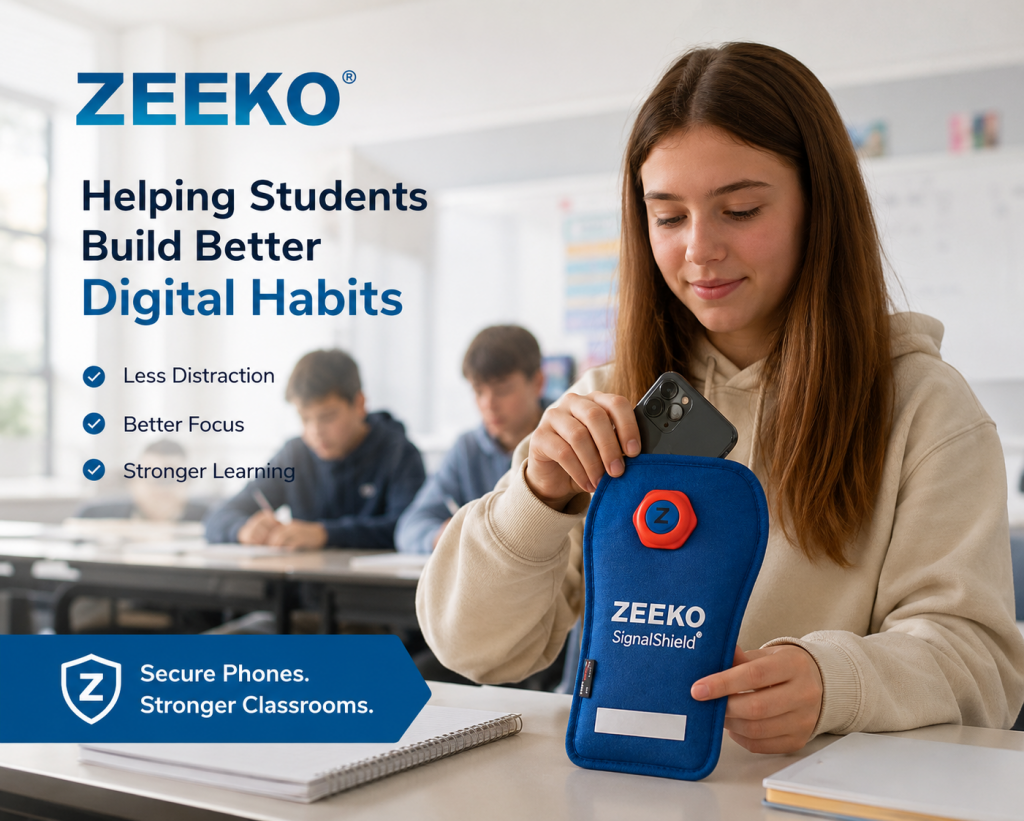
Many schools use structured classroom phone management systems to keep students focused during lessons. Secure phone pouch systems or designated storage solutions allow students to keep their devices safely stored while maintaining access after class. When introduced alongside clear policies, these systems can reduce distractions and support healthier digital habits without creating an overly restrictive environment.
Work with Parents
Regular communication between schools and families helps reinforce healthy technology habits at home and in the classroom.
School Strategy Checklist
- ✔ Teach digital wellbeing throughout the school year.
- ✔ Establish clear classroom phone expectations.
- ✔ Encourage purposeful technology use.
- ✔ Support students who may be struggling with digital dependency.
- ✔ Involve parents through workshops and regular communication.
Healthy Screen Time Guidelines by Age
While there is no universal screen-time limit, experts recommend focusing on balance, quality, and whether technology interferes with healthy development.
| Age Group | Recommended Approach |
| 0–2 years | Avoid recreational screen use except for video calls |
| 2–5 years | Around one hour of high-quality supervised content daily |
| 6–12 years | Set consistent limits while prioritising sleep, exercise, and learning |
| 13–18 years | Encourage balanced, purposeful technology use and regular screen breaks |
The most important question is not "How many hours?" but "Is screen use affecting sleep, learning, relationships, or physical activity?"
Tips to Reduce Smartphone Addiction
- Turn off non-essential notifications.
- Keep your phone out of sight while studying.
- Create phone-free times during the day.
- Avoid recreational phone use before bedtime.
- Spend more time outdoors and exercising.
- Replace scrolling with hobbies such as reading or sports.
- Use built-in screen-time tracking tools.
- Take regular breaks using the 20-20-20 rule to reduce eye strain.
- Limit social media apps that consume most of your time.
- Review your digital habits every week and celebrate small improvements.
Frequently Asked Questions
What are the first signs of smartphone addiction?
Early signs include constantly checking the phone, difficulty concentrating, anxiety without the device, poor sleep, excessive social media use, and reduced interest in offline activities.
How many hours on a phone is considered addiction?
There is no fixed number of hours. Addiction is better measured by whether phone use negatively affects learning, sleep, relationships, or wellbeing.
Can students overcome smartphone addiction?
Yes. With support from parents, teachers, and consistent routines, most students can develop healthier digital habits over time.
Does smartphone addiction affect grades?
It can. Excessive smartphone use often reduces study time, interrupts concentration, and increases procrastination, all of which may affect academic performance.
How can teachers reduce phone distractions?
Teachers can set clear expectations, encourage phones to be stored during lessons, teach digital wellbeing, and use structured classroom phone management strategies where appropriate.
What are healthy digital habits?
Healthy habits include using technology with purpose, taking regular breaks, limiting notifications, balancing online and offline activities, and avoiding phones before bedtime.
Can limiting notifications really help?
Yes. Turning off unnecessary notifications reduces distractions and makes it easier to focus on schoolwork and daily activities.
When should parents seek professional advice?
If excessive smartphone use consistently affects a child's mental health, academic performance, sleep, or relationships despite repeated efforts to improve habits, it is advisable to seek guidance from a healthcare professional or school counsellor.
Conclusion
Smartphones are valuable tools for learning and communication, but like any technology, they should be used in moderation. Recognising smartphone addiction students signs early allows parents, teachers, and school leaders to provide guidance before excessive phone use begins affecting a student's education, health, and relationships.
Developing healthy digital habits is not about banning smartphones. It is about teaching students to use technology with purpose, balance, and self-control. Simple strategies—such as setting screen-time boundaries, encouraging offline activities, promoting digital wellbeing education, and reducing classroom distractions—can make a meaningful difference.
By working together, families and schools can help students enjoy the benefits of technology while building the skills they need to thrive in both the digital and real world.
Explore Zeeko’s Home Page to discover our mission on the About Us Page, innovative Phone Blocking System, and engaging Phoenix Quest 10 programme. We provide Internet Safety Seminars, the Zeeko Report Card, and the Magical Leaders Choose Country initiative, alongside insights from our Digital Trend Report. Stay connected with us on Facebook and Instagram for updates.