

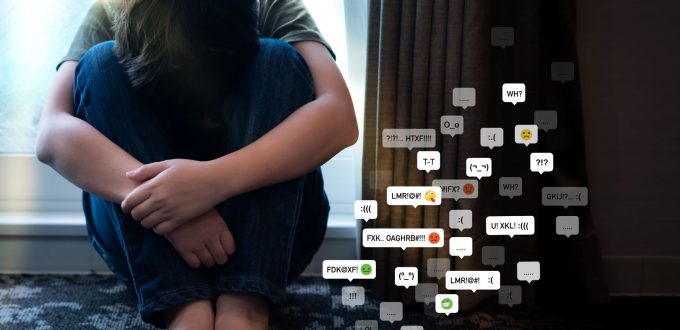
The answer is simple, YES.
How do they speak with strangers online?
The thought of a stranger approaching our children online is every parent’s nightmare. What some don’t realise is that there is no denying that our children are speaking to strangers online daily. Now, don’t get us wrong, this doesn’t mean there are criminals at the other side of the screen, keyboard or controller every day looking to scam our kids or worse. Often the worst strangers and the ones who cause the most damage and hurt to children are their peers. Whether it might be rivalry from other schools taken too far or just another kid the same age being a bit inappropriate. Even with the best monitoring and the most open household discussions around safe internet use, kids encountering strangers online is inevitable. How is this possible?
Online activities and being online includes a multitude of outlets for communication. However, in this blog, we are going to focus on just two mediums, social media and online gaming.

Social Media
Social media is undoubtedly the best modern-day form of communication between people of all ages, normally ranging from pre-teen to retirement age, but of course in some cases younger. We cannot rule out that our children will speak to strangers online. If we look at our own behaviour, many of us have chatted with strangers online, or even met friends or partners that way. Social media platforms allow us to speak to virtually anyone.
What should parents watch out for?
Cyberbullying, drama, and time spent on social media are all hazards of social media chatting. Unwanted contact, such as predatory behaviour or inappropriate requests, is a risk—and it can come from strangers or kids they know. Photos, videos, and comments made online usually can't be taken back once they're posted. Even when a teen thinks something has been deleted, it can be impossible to completely erase it from the Internet. The risk of any inappropriate content being shared online can cause a risk of damaging a child's reputation and mental health far into the future.
How and when should we intervene?
Every parent knows their child best, so one of the best ways to know when to intervene would be when you see a change in behaviour in your child. Kids', when subjected to cyberbullying, the mood will change, they might become more reclusive, quieter, struggle with meeting up with friends and doing things they normally would enjoy. Look out for this and if this is the case it might be time to pick up the phone and have a quick glance through the apps.
Online Gaming
Kids play with friends they know in real life but competing against new people is a huge part of the fun. Games can offer young people a sense of escape from the reality of the world and the social aspect of some games can help children feel part of a community. Playing online isn't all fun and games—children are at risk from bullying, identity theft, credit card fraud and even sexual exploitation.

What should parents watch out for?
Game chat — whether voice, video, or written—can run the gamut from edgy (with graphic language) to cruel (including hate speech and homophobic slurs) to kind (since gamers can forge friendships through gaming). Game chat can be totally off-topic, too. Be aware that not all game chat occurs on the platform kids play on. Some gamers prefer to use the chat app Discord to talk with their teammates, so you'll want to find out whether your kid uses it (it has the same visibility as other social media).
How and when should we intervene?
Intervention should definitely occur when there is suspicion of addiction or there is obvious bad behaviour taking place while gaming with others. It’s important to understand that the levels of dopamine that games create in the brain are only a tenth of those created by chemical substances that can be addictive. Changing behaviour is about helping children form new habits rather than chemical withdrawal-like substance abuse.
Zeeko Internet Safety Seminars
As there is so much information surrounding the internet and how to be safe online, we understand that sometimes it can be overwhelming. Zeeko Education provides Internet Safety training both virtually and on-site to suit every school’s needs. Some of our packages also include parent seminars to ensure you are up to date with the most relevant information for your child, their class, and their age group. Read more on our seminars here or forward this link to your child's teacher.
Don't forget to sign up for our Parents Blog List here. Teachers can sign up for our Monthly Teachers Newsletter here.
Frequently Asked Questions
1. Are kids really talking to strangers online every day?
Yes. Kids talking to strangers online is far more common than many parents realise. Through social media, online gaming, messaging apps, and shared platforms, children interact daily with people they don’t personally know. While not all strangers pose a threat, some interactions can lead to bullying, inappropriate contact, or harmful situations.
2. Why is it so common for kids to talk to strangers online?
Online platforms are built for connection. Whether through social media comments, gaming chats, livestreams, or group forums, children are encouraged to engage with others. Competing in games, joining interest groups, or expanding friend circles naturally exposes kids to new people — many of whom are technically strangers.
3. Are all strangers online dangerous?
No. Not every stranger online has harmful intentions. In fact, many interactions are harmless. However, risks increase when conversations become personal, inappropriate, or secretive. The concern around kids talking to strangers online is not about fear — it’s about awareness, boundaries, and guidance.
4. What risks are associated with kids talking to strangers online?
Some of the main risks include:
-
Cyberbullying or peer drama
-
Exposure to inappropriate content
-
Grooming or predatory behaviour
-
Identity theft or scams
-
Reputation damage from shared photos or comments
-
Emotional or mental health impacts
Even interactions with other children can escalate quickly if not monitored.
5. How do children typically communicate with strangers online?
Children most commonly interact with strangers through:
-
Social media platforms (comments, DMs, group chats)
-
Online gaming chat (voice, text, video)
-
Messaging apps like Discord
-
Livestream platforms and interactive apps
Gaming, in particular, often includes communication with unknown players as part of normal gameplay.
6. What should parents watch out for on social media?
Parents should be alert to:
-
Sudden mood changes after being online
-
Secretive behaviour about devices
-
Excessive time spent on social media
-
Unfamiliar names appearing frequently in chats
-
Requests for photos, personal information, or private conversations
Remember: once something is shared online, it is extremely difficult to fully erase.
7. What are the warning signs of cyberbullying?
If kids talking to strangers online leads to bullying, you may notice:
-
Withdrawal from friends or family
-
Anxiety about going to school
-
Changes in sleep or appetite
-
Reluctance to use devices (or, conversely, obsessively checking them)
-
Sudden drop in mood or confidence
Behaviour changes are often the first signal something isn’t right.
8. Is online gaming safe for children?
Online gaming can be a positive experience. It builds teamwork, problem-solving skills, and social connection. However, risks exist within chat features, in-game purchases, and unmoderated conversations. The key is supervision, open discussion, and understanding which platforms your child uses — including apps like Discord.
9. When should parents intervene?
Intervention is necessary if you notice:
-
Signs of addiction or excessive gaming
-
Aggressive or inappropriate behaviour during gameplay
-
Suspicious conversations
-
Emotional distress linked to online interactions
Parents know their children best. A noticeable change in behaviour is often the right time to step in and start a conversation.
10. How can parents reduce the risks of kids talking to strangers online?
-
Keep communication open and judgment-free
-
Set clear rules around privacy and sharing
-
Review privacy settings together
-
Use parental controls where appropriate
-
Regularly check in about gaming and social media experiences
-
Educate children about red flags and safe responses
Prevention is about empowerment, not restriction.
11. Should parents monitor their child’s phone or apps?
Monitoring should be age-appropriate and transparent. Rather than secret surveillance, aim for collaborative supervision. Let children know you may occasionally review apps to ensure safety. Trust grows through conversation, not control alone.
12. Where can parents get support with online safety?
If you feel overwhelmed by the topic of kids talking to strangers online, you’re not alone. Zeeko Education offers Internet Safety seminars for schools and parents, both virtually and on-site. These sessions provide up-to-date, practical advice tailored to specific age groups and digital trends.
Explore Zeeko’s Home Page to discover our mission on the About Us Page, innovative Phone Blocking System, and engaging Phoenix Quest 10 programme. We provide Internet Safety Seminars, the Zeeko Report Card, and the Magical Leaders Choose Country initiative, alongside insights from our Digital Trend Report. Stay connected with us on Facebook and Instagram for updates.