

What is Dyslexia?
There are many definitions of dyslexia but the one we use at Dyslexia Matters Ireland is the definition by the International Dyslexia Association. They say that dyslexia is characterized by difficulties with accurate and/or fluent word recognition, poor spelling and decoding abilities.
Dyslexia affects between 5-15% of the population (in Ireland we say around 10%). That is 3 in every class of 30 and 70 in a large school of 700 in Ireland. It affects all ages, languages, socioeconomic statuses and countries. There is a strong family link, and it is a lifelong condition. It is said that it is not related to intelligence, however, this is an ongoing debate, but strengths in other areas can highlight this difficulty in literacy. It is more common in boys than girls and it can range from mild to severe. It is underdiagnosed in Ireland so parents and teachers may be unaware that a child has dyslexia. People may not realise they have dyslexia until they are adults. Dyslexia can lead to school refusal, school dropout, mental health difficulties and more. Early intervention is key.
What are the signs of Dyslexia?
If we know the signs of dyslexia, then we are more able to spot it at home or in the classroom. We at Dyslexia Matters Ireland are raising awareness about this in order to give educators and parents the tools to spot it and to give them the knowledge in order to be able to take the next step.
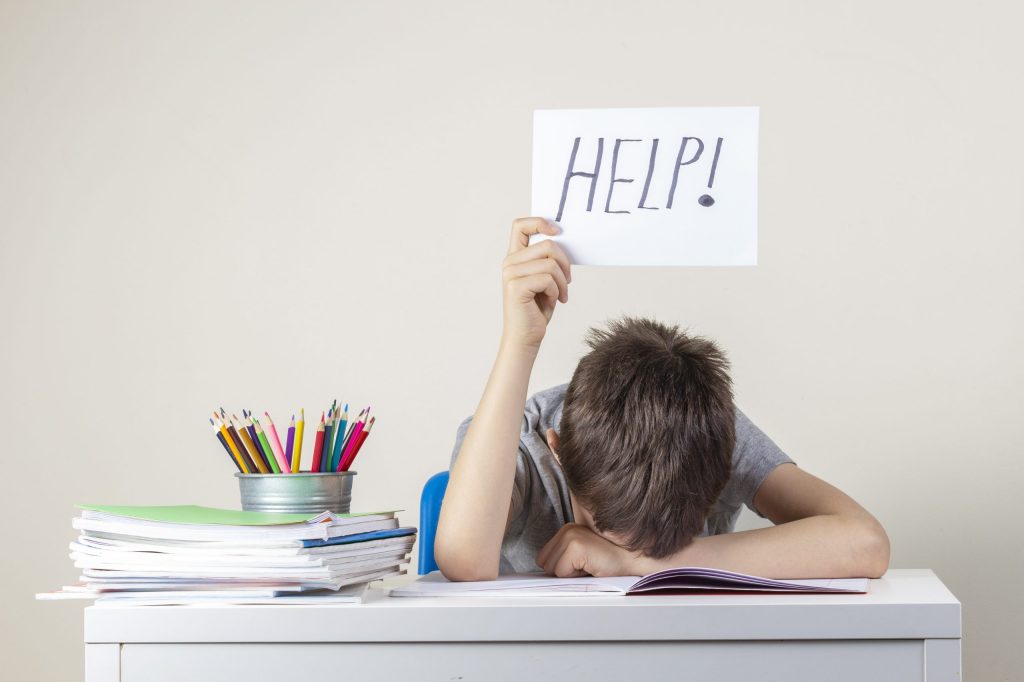
Dyslexia presents differently in everyone, here are some of the main signs to look out for
● Reading well below the expected level for age
● Problem’s processing and understanding what they hear
● Difficulty finding the right word or forming answers to questions
● Problems remembering the sequence of things
● Difficulty seeing (and occasionally hearing) similarities and differences in letters and words
● Inability to sound out the pronunciation of an unfamiliar word
● Difficulty spelling
● Spending unusually long-time completing tasks that involve reading or writing
● Avoiding activities that involve reading (Mayo Clinic, 2022)
Please note that there are many more signs, no one child will have all the signs and many children without dyslexia will have some of the signs.
Parents and teachers often report that dyslexia is a concern but dyslexia was not indicated when a screener was carried out. Screeners are often short - a snapshot in time and the bigger picture may not have been considered. They are a useful tool but cannot diagnose dyslexia. Parents and teachers sometimes believe that because a child can read then dyslexia isn’t present. Remember, it can present in many ways and can range from mild to severe.
If you would like more information on this, we at Dyslexia Matters Ireland run an online course for parents called ‘Querying Dyslexia and the Assessment Process’. Please check out our social media for the next start date.
What is the Next Step?
If the signs of dyslexia are present, the most important thing is early intervention with or without a diagnosis. We often hear of schools and parents waiting. Try not to wait for a diagnosis to intervene as the gap between the typical learner and the atypical learner will probably widen. Systematic, targeted, structured, multisensory teaching can make a huge difference to a young child with dyslexia or any literacy difficulty. Remember that this type of teaching will benefit any child.
As a parent, you are your child’s main advocate, main educator, main support system. You know your child best. Children spend 11% of the year in school. Children with dyslexia may find it difficult to learn in a whole-class setting. Concentration, distractions, the pace of the curriculum, an overloaded curriculum are often mentioned as reasons why children with dyslexia find it difficult to learn in this setting. Be the expert. Knowledge is power. Keep up to date with the ever-changing legislation.
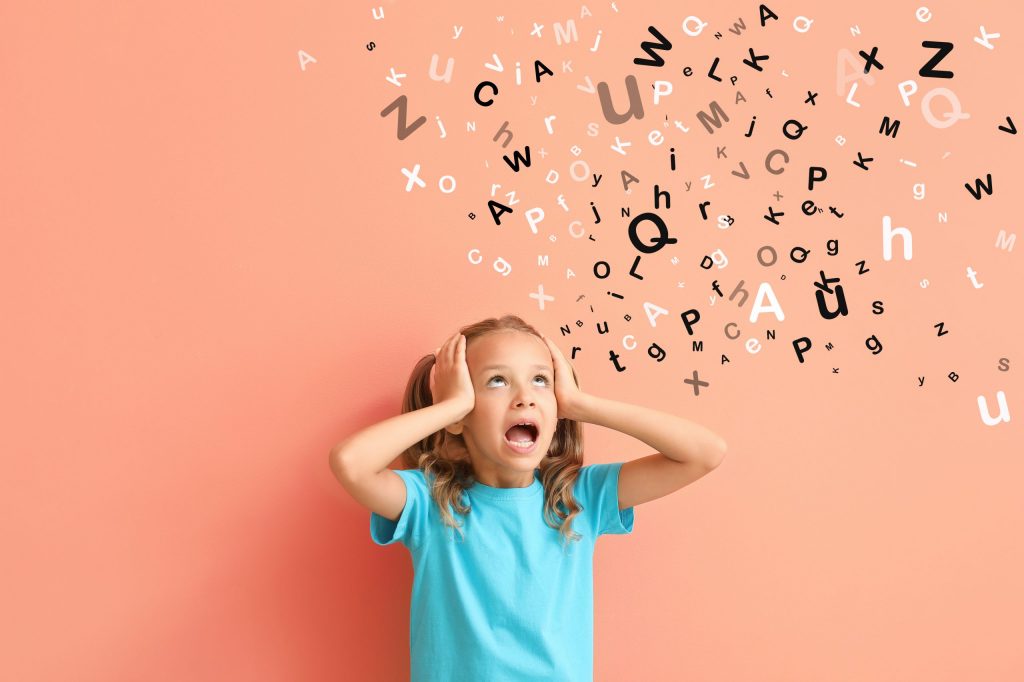
Be aware there is a fine line between helping your child and overloading them. On the other hand, don’t underestimate the power of 5 to 10 minutes of targeted teaching each evening. Little and often is key. Repetition is key. Overlearning is often crucial. Watch out for the gaps in your child’s learning and help to fill in these gaps. The aim is not to add extra work to your child’s workload but rather to teach the material in an effective and multisensory way. If you would like more information on this, we run an online course called ‘Practical Tips and Strategies’. Please keep an eye on our social media for the next start date.
If a parent or teacher is seeking a diagnosis, then it is important to know that a psychologist is the only professional qualified in Ireland at present to assess for dyslexia. The public route is through the school which is known as a NEPS assessment. Schools get a very small amount of these per year and there is usually a large number of children on the list. The reality is that the vast majority of children will not get seen through the public route. Many parents will access the assessment privately by contacting a psychologist themselves. We at Dyslexia Matters Ireland, have the relevant teacher qualification to assess for dyslexia. We can assess for dyslexia in other countries but not here in Ireland. We believe that if teachers could assess in Ireland, then more children would have access to an assessment. This opens up the option of applying for support such as an exemption for Irish, assistive technology such as reading pens, readers and scribes for state exams, lower points when applying to colleges and universities.
Dyslexia Matters Ireland
This blog post is written by the founders of Dyslexia Matters Ireland. We are experienced primary school teachers with several post-graduate qualifications in the area of dyslexia and special education. We are committed to raising awareness about dyslexia. We have trained teachers all over the country and have provided support to hundreds of parents and children.
We offer courses for parents and teachers online, one to one parent consultations, library talks, information talks, and we have recently worked with some of the colleges that are carrying out research in this area. Follow us on our social media account for more information about our upcoming courses.
Find us at www.dyslexiamattersireland.ie or email us at dyslexiamattersireland@gmail.com
Frequently Asked Questions (FAQs)
What is dyslexia in a primary school child?
Dyslexia and the Primary School Child refers to a specific learning difficulty that mainly affects reading, spelling, and decoding skills. Children with dyslexia may struggle with word recognition and fluency despite having normal intelligence and receiving appropriate classroom instruction.
How common is dyslexia among primary school children in Ireland?
Dyslexia affects around 10% of the population in Ireland, meaning approximately 3 children in every class of 30. It occurs across all backgrounds and is present in children of all abilities.
Is dyslexia linked to intelligence?
No. Dyslexia is not related to intelligence. Many children with dyslexia have strong abilities in areas such as creativity, problem-solving, oral communication, or visual thinking, even though they experience difficulties with literacy.
What are the early signs of dyslexia in primary school?
Some common signs of Dyslexia and the Primary School Child include:
- Reading below the expected level for age
- Difficulty with spelling and sounding out words
- Trouble remembering sequences
- Struggling to process spoken information
- Avoiding reading or writing tasks
- Taking longer than expected to complete literacy-based work
Not all children will show the same signs, and no child will show them all.
Can a child still have dyslexia if they can read?
Yes. Some children with dyslexia can read, but they may read slowly, with great effort, or struggle with spelling and comprehension. Dyslexia presents differently in every child and can range from mild to severe.
Do screeners diagnose dyslexia?
No. Screeners are useful tools but only provide a snapshot in time. They cannot diagnose dyslexia. A child may pass a screener and still have dyslexia when the bigger picture is considered.
Why is dyslexia often underdiagnosed in Ireland?
Dyslexia is underdiagnosed due to limited access to assessments, long waiting lists, and misunderstandings about how dyslexia presents. Some individuals are not diagnosed until adulthood.
Why is early intervention important?
Early intervention is key for Dyslexia and the Primary School Child. Waiting for a formal diagnosis can widen the learning gap. Structured, systematic, multisensory teaching can make a significant difference at any stage.
What can parents do if they suspect dyslexia?
Parents should trust their instincts, gather information, and seek early support. You do not need a diagnosis to begin intervention. Even short, targeted teaching sessions of 5–10 minutes daily can be very effective.
How can parents support a child with dyslexia at home?
Support can include:
- Little and often learning sessions
- Repetition and overlearning
- Multisensory teaching approaches
- Filling learning gaps without increasing workload
- Encouraging confidence and self-esteem
Who can assess a child for dyslexia in Ireland?
In Ireland, a psychologist is currently the only professional qualified to formally diagnose dyslexia. Assessments can be accessed through NEPS via schools or privately, though availability is limited through the public system.
Why is a diagnosis important?
A diagnosis can help children access supports such as:
- Assistive technology
- Readers or scribes in exams
- Exemptions from Irish
- Reasonable accommodations for state exams and college entry
Can teachers assess for dyslexia in Ireland?
At present, teachers cannot formally assess for dyslexia in Ireland, although trained teachers in other countries can. Dyslexia Matters Ireland supports increased access to assessments to better support children.
How does dyslexia affect learning in the classroom?
Children with dyslexia may find whole-class teaching challenging due to pace, curriculum load, distractions, and concentration difficulties. This is why tailored teaching approaches are so important.
Where can parents and teachers get further support?
Dyslexia Matters Ireland offers online courses, parent consultations, teacher training, and information sessions to support families navigating Dyslexia and the Primary School Child.
Explore Zeeko’s Home Page to discover our mission on the About Us Page, innovative Phone Blocking System, and engaging Phoenix Quest 10 programme. We provide Internet Safety Seminars, the Zeeko Report Card, and the Magical Leaders Choose Country initiative, alongside insights from our Digital Trend Report. Stay connected with us on Facebook and Instagram for updates.