


What is online gaming?
Online gaming is at an all-time high, with children now using devices before they even begin walking. Online gaming refers to any game played on a computer or device, generally over the internet. Last week, Ryan Tubrity on RTE Radio 1 dedicated a talk show segment to speaking about online gaming and the effects it can have on children. Upon further research into the topic, we found he did a similar segment in 2018 on the game Fortnite, which has taken the world by storm. It touches on how online gaming is now standard practice in most family homes. What shocked us to hear is that a child in the UK is on track to become one of the first to be formally diagnosed with ‘online gaming addiction’.
Before we delve into the topic of gaming addiction further, we want to include the segment by Ryan Tubrity here for you to listen to if you have a few moments to spare.
What is online gaming addiction?
Online gaming addiction is pretty self-explanatory. However, it might interest you to know that there are actually two forms of addiction. There are two forms of online gaming, solo gaming and multiplayer gaming.
Solo online gaming is when the player is playing against themselves. The single player has to complete the mission at hand virtually, for example, rescuing the princess. The addiction is therefore related to trying to beat the game and complete the mission. Frustration with the game when they cannot complete the task can be addictive and lead to hours and hours of fighting with themselves mentally to feel the sense of accomplishment and achievement of winning.
Multiplayer online gaming is when the player plays against either peers or people they know, however, often, they can be people that they don’t know as well. This type of online gaming can be especially addictive as the game generally has no end. Often the user can create their own character, almost like an online version of themselves, allowing them to escape from reality. Some might even feel more accepted in their online reality. These thoughts of feeling more accepted online than in real life can be dangerous and cause them to detach from reality and human interaction.
Why is online gaming addicting?
The short answer to this question is simply, online games are designed to be addictive. These games are purposely designed to be difficult to complete and win but satisfying enough that users don’t give up and disregard the game. Gaming addiction can be compared to gambling addiction in this way. For example, with gambling, for every €50.00 you spend, you might win €2.00 every few gambles, which leads you to think a bigger win is on the horizon continuously.
Most adults are mature and developed enough to understand this and know when enough is enough. However, can the same be said for our young children, who can be much more impressionable?
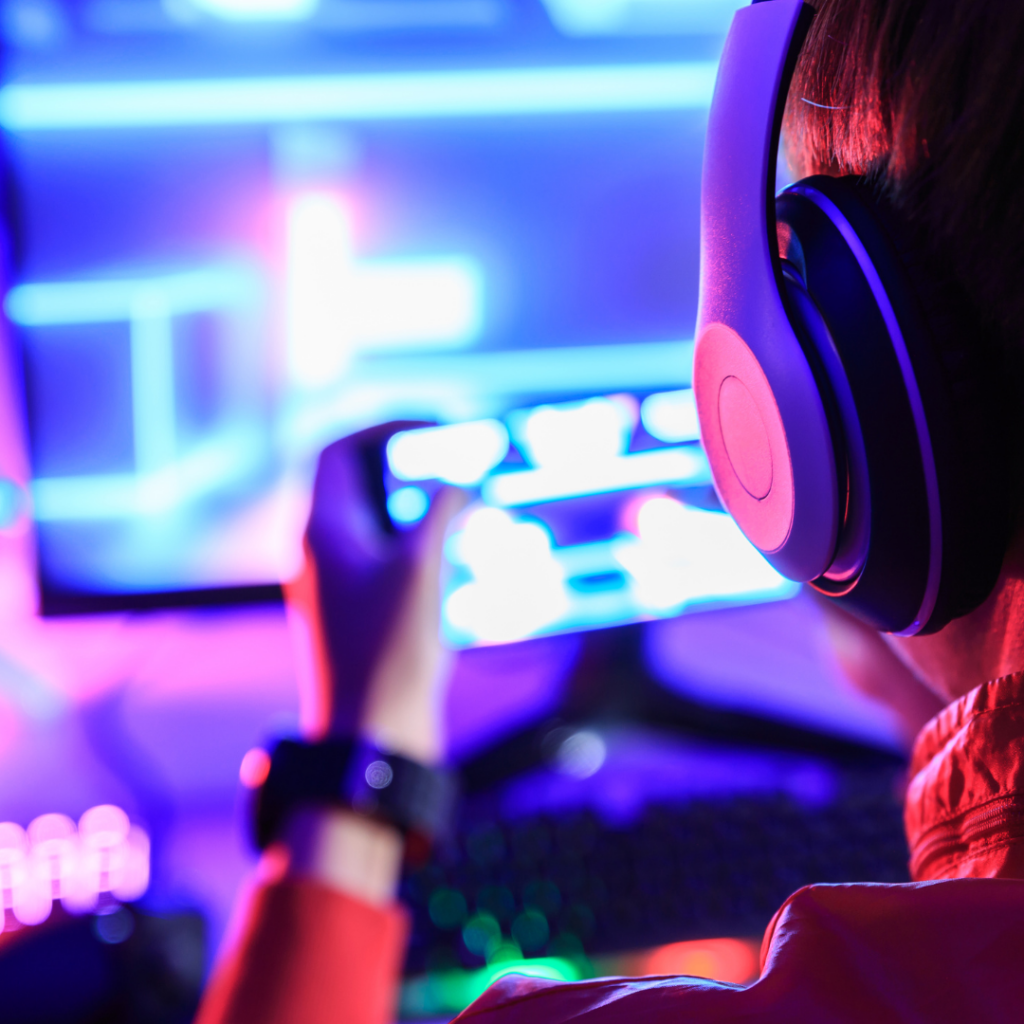
How can we spot the signs that our children are suffering from online gaming addiction? here are a few:
- Isolation and detachment from family and friends to spend more time online.
- Lying about the amount of time spent online.
- Irritability or anger when told they cannot play their preferred game.
- Fatigue from playing into the early hours of the morning.
- Migraines from overexposure to screens and possible eye strain.
What are the risks of gaming online other than addiction?
Like all other online activities, there are risks involved. Some other risks, especially for online gaming, include:
Account Takeover
Spyware
Cyberbullying
Hacking of online gaming accounts can pose a potential risk as it gives the hacker access to some of the child’s personal information like name, email address, and home address. Some games require an initial payment to access the game; arguably, the parent’s card would be used for this transaction. Always use 2-factor authentication and never save payment information if you allow your child to play a game requiring an account set up.
Gamers can often be targeted through webcams and spyware, especially when dealing with an untrustworthy website. The information gathered from spyware can then be sold to a third party creating huge risk.
Cyberbullying is rampant within the online gaming community, especially in multiplayer games. Players can be bullied by their peers from school or people they know. Or even strangers, as name-calling and profanities are common within virtual worlds and chatrooms.
Are there benefits of gaming online?
Although online gaming has huge risks and dangers, it’s worth pointing out that many online games, when used correctly and appropriately, can be educational and beneficial to child development.
Creativity
Social Connection
Reading
Some studies have shown that playing online games can improve children’s reading skills; even if they are not designed for this purpose, they will still need to read the instructions to figure out the game setup and rules.
When monitored correctly, multiplayer games can be a great way for children to make friends and bond with each other. It also gives children something to speak about with their friends in the classroom if it is something that is a common interest.
Some studies have shown that playing online games can improve children’s reading skills; even if they are not designed for this purpose, they will still need to read the instructions to figure out the game setup and rules.
How do we ensure that children game online safely and avoid addiction?
In today’s society, as parents, we are extremely busy balancing work and family life. It’s important to know, understand and accept that the ball will be dropped occasionally. Here are some simple ways to ensure your child avoids online gaming addiction in your household.
- Communication - Communication is vital for your child. Discuss the games your child is playing with them and try to as best you can to understand it. If your child feels comfortable speaking with you about the game, it’s less likely that they will try to hide information about how long they are playing online and who they are playing with.
- Login information - Know the login information for the game so you can monitor when you wish to. This also allows you to change the password should you want to keep them out of the account and monitor their time gaming online.
- Play the game with them - Make it a together activity. This way, online gaming is safe and fun for everyone in the household.

Zeeko Internet Safety Seminars
As there is so much information surrounding the internet and how to be safe online, we understand that sometimes it can be overwhelming. Zeeko Education provides virtual and on-site Internet safety training to suit every school’s needs. Some of our packages also include parent seminars to ensure you are up to date with the most relevant information for your child, their class, and their age group. Read more about our seminars here or forward this link to your child's teacher.
Don't forget to sign up for our Parents Blog Listhere. Teachers can sign up for our Monthly Teachers Newsletter here.
Frequently Asked Questions (FAQs)
1. What is online gaming addiction in children?
Online gaming addiction in children refers to excessive or compulsive use of online games that begins to negatively impact their daily life. This can include neglecting schoolwork, withdrawing from family and friends, losing sleep, or becoming irritable when unable to play.
2. Why are online games so addictive for children?
Online games are often intentionally designed to keep players engaged. They are challenging enough to encourage persistence but rewarding enough to make children want to continue playing. Features such as levels, rewards, character creation, and multiplayer interaction can make online gaming addiction in children more likely if boundaries are not in place.
3. What are the different types of online gaming?
There are two main types:
-
Solo gaming – where a child plays alone and tries to complete missions or challenges.
-
Multiplayer gaming – where they interact with peers or strangers online, often in games with no clear end point.
Multiplayer games can sometimes increase the risk of online gaming addiction in children due to social pressures and ongoing gameplay.
4. What are the warning signs of online gaming addiction in children?
Some common signs include:
-
Isolation from family and friends
-
Lying about time spent gaming
-
Irritability or anger when asked to stop
-
Playing late into the night
-
Fatigue, headaches, or eye strain
Recognising these signs early can help parents intervene before habits become more serious.
5. Is online gaming addiction in children officially recognised?
Gaming disorder has been recognised internationally as a behavioural condition when gaming significantly interferes with daily functioning. While not every child who plays regularly is addicted, persistent and compulsive gaming behaviours may require professional support.
6. What other risks are associated with online gaming?
Beyond online gaming addiction in children, there are other risks to consider:
-
Account takeovers and hacking
-
Spyware and data theft
-
Cyberbullying in multiplayer chatrooms
Parents should enable two-factor authentication, avoid saving payment details, and monitor online interactions to reduce these risks.
7. Are there any benefits to online gaming?
Yes, when used in moderation and with supervision, online gaming can:
-
Support creativity
-
Improve reading skills through in-game instructions
-
Encourage social connection with peers
-
Promote problem-solving and strategic thinking
The key is balance and age-appropriate content.
8. How can parents prevent online gaming addiction in children?
There are several practical steps parents can take:
-
Open communication – Talk regularly about the games your child plays.
-
Set clear boundaries – Agree on time limits and stick to them.
-
Know login details – This allows monitoring and password changes if necessary.
-
Play together – Turning gaming into a shared activity increases understanding and supervision.
Consistency and involvement are essential in preventing online gaming addiction in children.
9. Should parents completely ban online gaming?
In most cases, banning gaming entirely may not be necessary. Instead, teaching balance, digital responsibility, and healthy screen habits is often more effective. Moderation, structure, and communication help children develop a healthy relationship with technology.
10. Where can parents get support or guidance?
If you are concerned about online gaming addiction in children, schools and organisations like Zeeko provide Internet safety seminars for students and parents. These programmes offer up-to-date guidance on digital risks and practical strategies to keep children safe online.
Explore Zeeko’s Home Page to discover our mission on the About Us Page, innovative Phone Blocking System, and engaging Phoenix Quest 10 programme. We provide Internet Safety Seminars, the Zeeko Report Card, and the Magical Leaders Choose Country initiative, alongside insights from our Digital Trend Report. Stay connected with us on Facebook and Instagram for updates.