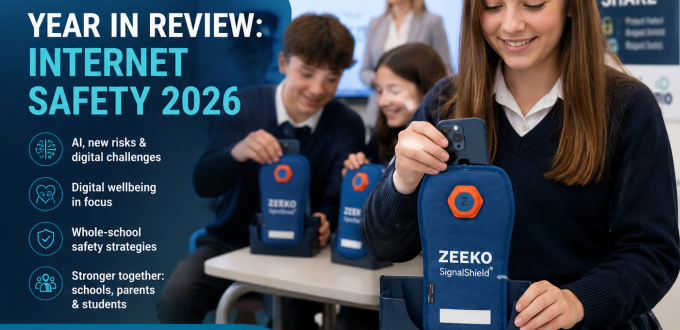
Internet safety evolved rapidly throughout 2026. Artificial intelligence became part of everyday learning, smartphones remained central to students’ social lives, and schools faced increasingly sophisticated online risks. From AI-generated misinformation and deepfakes to cyberbullying and excessive screen time, educators across Ireland recognised that protecting children online now requires more than filtering websites or enforcing device […]
You are browsing archives for
Tag: digital wellbeing
Screen Time & Academic Performance – Ireland Research
In today’s connected world, digital devices are part of everyday learning, communication, and entertainment. Irish children and teenagers use smartphones, tablets, laptops, and other digital technologies both inside and outside the classroom. While technology has transformed education in many positive ways, it has also raised important questions about screen time academic performance and whether increasing […]
How to Stop Phone Use in the Classroom?
How Phone-Free Classrooms Improve Learning? When schools successfully reduce unnecessary mobile phone use, the benefits extend far beyond fewer interruptions. A well-managed phone-free classroom creates an environment where students can focus, participate, and build stronger relationships with both their teachers and classmates. Many educators initially worry that limiting phone access will lead to resistance. In […]
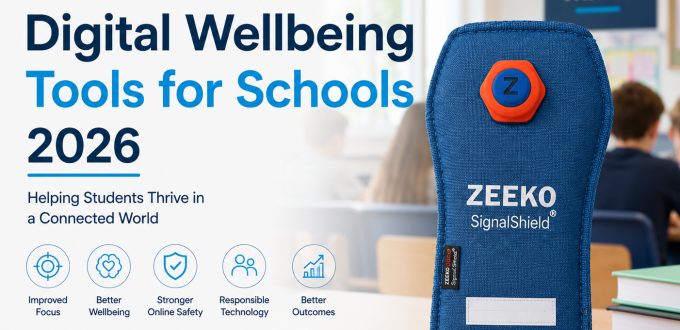
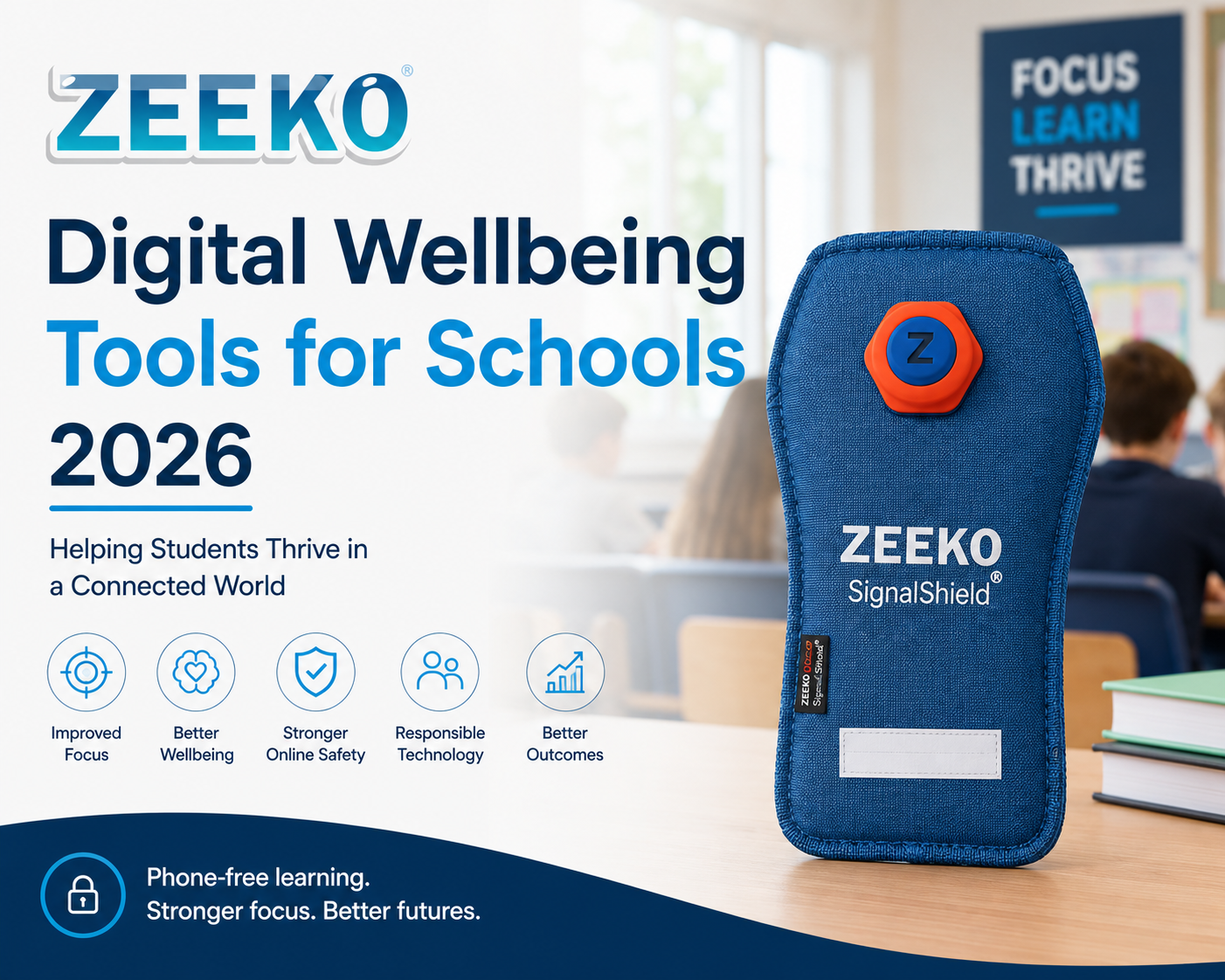
Digital Wellbeing Tools for Schools 2026
Technology is now part of almost every aspect of education. Students use laptops for assignments, tablets for learning activities, AI tools for research, and smartphones to stay connected. While technology has created exciting opportunities for teaching and learning, it has also introduced new challenges for schools. Teachers are reporting shorter attention spans, parents are concerned […]
5 Ways to Support Kids’ Digital Wellbeing This Summer
Summer is coming! Can you believe we are at that stage of the year now? For many of you who follow our weekly blog, it must be nice to go from the transition of the beginning of the school year, Christmas, Easter and now finally Summer. Although the thought of summer is exciting it can […]
How can we teach Digital Wellbeing in the Classroom?
What is Digital Wellbeing? Digital wellbeing, often referred to as online wellness, means having an awareness of how being online can make us feel, as well as looking after ourselves and others when online. Whether we realise it or not being online can influence our emotions, our mental health and perhaps in turn our physical […]
Zeeko’s Top 5 Tips for Safer Internet Day 2016 
You may have noticed a lot more information across the media yesterday about internet safety. This is because the 9th February 2016 marks Safer Internet Day, internationally. It is an opportunity to raise awareness of the importance of internet safety. Through our work with children in primary schools, our parent seminars and our internet safety […]
Explaining their Digital Footprint to your child
As a parent today it is likely that you made your first mark on the internet 15 years ago. When your name is typed into an online search, there is a good chance that a social media profile will pop up; your latest tweets, perhaps your Facebook profile picture and maybe your LinkedIn account. Imagine if your digital footprint had […]
The Challenge of Excessive Internet Use
Excessive internet use can sound like an intimidating term when you first hear it. It can also seem as if it is a relatively new phenomenon, but excessive internet use is a topic that has been known to psychologists for over 20 years. As we regularly say at Zeeko, the internet is a fantastic resource […]
Dealing with Inappropriate Content on the Internet
When we speak with parents at our talks to parents associations or at our parent crash courses, exposure to inappropriate content often features in the top three concerns regarding their children spending time online. Yet, when we visit schools, this is often the least explored topic, with many children unsure of what the problem with […]